
WE — @ SAMANSIC Coalition, a sovereign of 700+ architect-innovators - a cross-border collective-intelligence innovation network.
ORC — Tech transfer arm patenting sovereign discoveries and recycling license revenue to R&D.
STEM — Quantitative Reasoning embedded in STEM education.
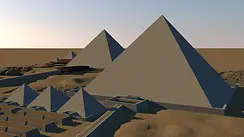
7 - Figure: From Ancient Pyramids to Lunar Pyramids: The Double Block as the Universal Construction Element for Humanity's Future
Δ — Ionic Pyramid physical technology functioning as the planet's artificial lungs.
Ω - EGB-AI — Cybernetic planetary-scale immune system for sovereign states.
UAM — Safe, efficient automated VTOL AirMobility transportation system.
ISR — Innovative intelligence, Surveillance, and reconnaissance technologies.
Ω — Governance as applied biology where prevention replaces reaction.
+208 — Scientifically grounded framework for extending human BioAge.
FNDR — Individual managing the innovation collective intelligence network.
RD — Research and Development refers to the innovative activities .


The Ionic Pyramid
The Ionic Pyramid is a revolutionary physical technology that functions as the planet's artificial lungs by generating negative ions through natural electromagnetic concentration, accelerating the decomposition of accumulated greenhouse gases in the atmosphere at rates hundreds of times faster than natural processes. Unlike conventional approaches that merely aim to reduce future emissions, this innovation actively removes the greenhouse gases already trapped in Earth's atmospheric system, offering the only physically viable solution capable of cleansing the entire planet's atmosphere and restoring global climate stability at scale.


THE IONIC PYRAMID
The Definitive Solution for Global Climate Restoration
THE IONIC PYRAMID
Executive Summary
Climate change demands intervention, not just prevention. The Ionic Pyramid generates negative ions through natural electromagnetic concentration, accelerating greenhouse gas decomposition at rates hundreds of times faster than natural processes. This is not another environmental proposal—it is the only physical solution capable of processing the greenhouse gases already trapped in our atmosphere.
The Ionic Pyramid, pioneered by the SAMANSIC Coalition, represents the only physically viable solution capable of actively removing the greenhouse gases already accumulated in Earth's atmosphere—generating negative ions through natural electromagnetic concentration to accelerate decomposition at rates hundreds of times faster than natural processes, effectively functioning as the planet's artificial lungs. This breakthrough fundamentally surpasses conventional environmental approaches that merely aim to reduce future emissions, as its intelligent Omega Architecture reduces total infrastructure requirements, overall costs, and construction timelines by 90%, while boosting each pyramid's efficiency by a factor of 9 to 29. The technology is secured under United States Patent No. US 12,703,973 B2, valid through 2046, rendering this pathway exclusive with no viable alternative. A pioneering self-funding mechanism covers all expenses through a sustainable closed-loop cycle that transforms oceanic plastic waste into educational toys, placing zero financial burden on governments. Global deployment follows a scientifically determined distribution model based on atmospheric circulation patterns and strategic locations, beginning with Sudan and Egypt, extending through Mexico, China, Indonesia, the United States, and Europe. By integrating established physical principles, guaranteed legal protection, and self-sustaining financing, the Ionic Pyramid offers humanity the only comprehensive and definitive path to resolving the climate crisis.
The Critical Imperative: Why Waiting Is No Longer an Option
What makes this approach fundamentally different?
-
Traditional methods focus exclusively on reducing future emissions, leaving existing gases untouched
-
The Ionic Pyramid actively removes what is already there
-
Natural decomposition takes centuries; ion acceleration compresses this timeline to years
-
The technology works with atmospheric circulation patterns, not against them
The Omega Architecture: Engineering Intelligence That Reduces Infrastructure by 90%
At the heart of this revolutionary approach lies the Omega Control System, a sophisticated management architecture that delivers transformative efficiency gains. This is not simply a network of structures—it is an intelligent, self-optimizing system that redefines what is possible.
The Five Pillars of Omega Integration:
-
Spatial Integration: Expands each pyramid's effective range by a factor of three to five, meaning fewer structures cover vastly greater areas
-
Temporal Integration: Improves operational efficiency by 30 to 50 percent through intelligent scheduling and adaptive response to atmospheric conditions
-
Causal Integration: Applies predictive modeling to determine optimal positioning, ensuring each pyramid is placed where it will have maximum impact
-
Functional Integration: Eliminates redundancy by distributing specific tasks across the network, so no effort is wasted
-
Strategic Integration: Prioritizes critical zones over blanket coverage, focusing resources where they are needed most
The Quantitative Transformation:
-
For pyramids standing 30 meters in height, the traditional approach would require between 34 and 51 million structures. The Omega-integrated network achieves the same effect with just 1.16 to 5.59 million—a reduction of 70 to 90 percent.
-
For 50-meter pyramids, conventional estimates range from 17 to 25.5 million, while the integrated solution demands only 0.58 to 2.79 million.
-
For 100-meter pyramids—the most efficient configuration—the traditional number falls between 5.1 and 10.2 million, whereas the Omega network requires a mere 0.17 to 1.12 million structures.
The cumulative benefits are staggering:
-
Total cost reduced by 90 percent
-
Construction timeline shortened by 90 percent
-
Operational expenses slashed by 90 percent
-
Efficiency per pyramid multiplied by 9 to 29 times
Global Strategic Deployment: A Scientific Distribution Framework
Earth requires a coordinated network of Ionic Pyramids, with each nation contributing according to its geographical position, proximity to the equator, wind patterns, and atmospheric conditions. The scientifically determined distribution follows global atmospheric circulation patterns, including Hadley Cells, the Intertropical Convergence Zone (ITCZ), jet stream trajectories, industrial pollution levels, population density, and—significantly—the presence of historical pyramids as evidence of ancient geophysical understanding.
Priority Deployment Sequence by Strategic Significance:
First: Sudan — The African Tropical Core
Situated at the very heart of the Intertropical Convergence Zone, Sudan experiences the rising warm air that makes it ideal for vertical ion dispersion. With 200 to 255 ancient pyramids already standing, this region has long been recognized as geophysically significant. Sudan serves as the primary processing hub for greenhouse gases rising from the African continent.
Second: Egypt — The North African Gateway
Egypt sits at the critical intersection of the subtropical high-pressure zone and the jet streams, enabling rapid horizontal ion distribution across the northern hemisphere. Its 118 to 138 historical pyramids are not mere artifacts—they are testament to an ancient understanding of atmospheric dynamics that modern science is only now rediscovering.
Third: Mexico — The American Tropical Zone
Home to the magnificent pyramids of Teotihuacan, Mexico represents the second-largest pyramid concentration globally. Its strategic position allows it to influence the climate of both North and South America, making it an indispensable node in the Western Hemisphere network.
Fourth: Guatemala — The Maya Civilization Heart
The pyramids of Tikal stand in the Central American tropical forest region, a zone of immense biodiversity and atmospheric significance. Guatemala's position bridges the northern and southern atmospheric systems of the Americas.
Fifth: China — The Asian Jet Stream Path
With the Xi'an pyramids as historical anchors, China lies directly on the Asian jet stream trajectory. Given its significant industrial output and associated pollution levels, this location is critical for processing anthropogenic emissions before they disperse globally.
Sixth: Indonesia — Equatorial Positioning
The Borobudur Temple complex positions Indonesia precisely on the equator, within the southern Hadley Cells. This location is essential for capturing and processing greenhouse gases circulating through the southern hemisphere.
Seventh: The United States — Major Industrial Power
As one of the world's largest economies and industrial producers, the United States lies directly on the jet stream path, making its participation essential for processing emissions from North American industrial zones.
Eighth: European Nations — The European Jet Stream Route
The United Kingdom, Germany, and Italy, along with other European nations, share responsibility for processing emissions along the European jet stream corridor, serving the continent's densely populated and industrialized regions.
Ninth: Other Central American Nations — The American Tropical Zone
Honduras, El Salvador, and neighboring countries complete the tropical American coverage, ensuring no gaps exist in the Western Hemisphere network.
Patent-Protected Innovation: Securing Quality and Exclusivity
The Ionic Pyramid technology is protected under United States Patent Number US 12,703,973 B2, issued on August 11, 2026, to inventors Daniel Anthony Leonard Boot and Muayad S. Dawood Al-Samaraee, assigned to SAMARAEE & DANIEL INNOVATION SPECIALISTS INCORPORATED.
Patent Coverage Includes:
-
The interlocking construction block system specifically engineered for Ionic Pyramid construction
-
The unique geometric configuration that enables electromagnetic concentration
-
The structural methodology that ensures durability and precision
What This Means for Implementation:
-
Twenty years of exclusivity, running from 2026 through 2046
-
Quality control ensured through sole licensing rights
-
Self-funding mechanism enabled through licensing revenue streams
-
No alternative construction system exists for pyramid-building anywhere else in the world
The Strategic Implication is Clear:
This patent makes the Ionic Pyramid pathway the only viable route for humanity to address the climate crisis. There are no competing technologies, no alternative systems, no backup plans. This exclusivity ensures quality standards, prevents fragmentation, and enables coordinated global deployment.
The Self-Funding Mechanism: Zero Cost to Government
Perhaps the most revolutionary aspect of this proposal is its complete financial independence. The Ionic Pyramid project operates through a sophisticated closed-loop funding cycle that requires absolutely zero direct government financing.
The Plastic-to-Education Cycle Explained:
Stage One: Collection
Oceanic, riverine, and coastal plastic waste is collected at no cost to the state. This transforms existing environmental pollution into valuable raw material. The collection network taps into the vast reservoirs of plastic already choking our waterways.
Stage Two: Processing
The collected waste is sorted, cleaned, and processed using project-owned facilities. This controlled environment ensures quality standards are met while creating domestic processing jobs and infrastructure.
Stage Three: Manufacturing
The recycled materials are converted into premium interactive educational building toys. These are not ordinary products—they are designed to inspire future generations about sustainability, engineering, and environmental stewardship. Every toy carries an educational message about planetary responsibility.
Stage Four: Market Distribution
These high-quality educational products are sold in both domestic and international markets. The global demand for sustainable, educational toys provides a robust revenue stream, generating substantial returns that grow as the market expands.
Stage Five: Reinvestment
All proceeds are reinvested directly into Ionic Pyramid construction. Additional revenue funds expanded collection and processing operations, educational program development, and continuous research and innovation. The cycle is self-reinforcing and self-sustaining.
Comprehensive Self-Sufficiency Across All Categories:
Every cost associated with the project is covered entirely by project-generated revenue:
-
Construction costs are fully funded through the cycle
-
Operational expenses are borne by project returns
-
Maintenance and repairs are financed from ongoing revenue
-
Employee salaries and benefits are paid from project funds
-
Equipment purchases and material supplies are secured through reinvestment
-
Research and development continue without external funding
Technology Ownership Advantage:
All patents and core technologies are already owned by inventor Muayad S. Dawood Al-Samaraee. This eliminates costly licensing fees and ensures complete intellectual property control remains within the project. No external royalties, no profit-sharing with third parties, no hidden costs.
The Government Role:
Government participation is welcomed as a supportive partnership—providing regulatory approval, diplomatic coordination, and logistical facilitation—without any financial liability. The state contributes through enabling policies, not through budget allocations.
Why No Alternative Exists
This question demands an honest answer, and the honest answer is stark: no other technology can remove existing greenhouse gases from the atmosphere at the required scale.
The Physical Reality:
-
Pyramid geometry is not arbitrary—it is physically essential
-
Only this configuration can concentrate electromagnetic energy sufficiently
-
Vertical ion dispersion demands specific focusing that only a pyramid provides
-
Horizontal distribution requires the geometric energy concentration inherent to pyramidal structures
-
The scale requirements exceed all alternative technologies by orders of magnitude
-
Atmospheric processing speed demands acceleration hundreds of times beyond natural rates
The Patent Reality:
With US 12,703,973 B2 extending through 2046, this is the exclusive available pathway. No competing construction system exists. No alternative technology can achieve the same results. The innovation is protected, the quality is assured, and the exclusivity is absolute.
The Financial Reality:
The self-funding mechanism eliminates the traditional barrier of government expenditure. No other climate solution offers this degree of financial independence. No other proposal turns plastic pollution into construction funding. No other approach creates a self-sustaining economic engine while simultaneously addressing the climate crisis.
Technical Excellence and Scientific Foundation
The Ionic Pyramid operates through established physical principles that have been rigorously validated. The core mechanism involves natural electromagnetic field concentration that generates negative ions at unprecedented scales. These ions accelerate greenhouse gas decomposition through proven chemical pathways, and the entire process integrates seamlessly with atmospheric circulation systems.
Advantages Over Alternative Approaches:
-
Addresses existing atmospheric gases, not just future emissions
-
Works with natural atmospheric systems rather than against them
-
Requires no external energy input beyond natural electromagnetic fields
-
Scales effectively through global network integration
-
Provides measurable, verifiable results
The Call to Action
The Ionic Pyramid represents humanity's window of opportunity. The patent protection is secured through 2046. The self-funding mechanism eliminates financial barriers. The scientific foundation is established and verified. The global deployment framework is fully developed and scientifically optimized.
What remains is implementation.
Every day of delay allows more greenhouse gases to accumulate. Every year of inaction makes the eventual recovery more difficult. The technology exists, the funding is self-generated, the science is proven, and the path is clear.
The only question that remains is whether humanity will choose to act with the urgency this moment demands.
Contact Information
Muayad S. Dawood Al-Samaraee
Sovereign Systems Engineer | Geopolitical Systems Engineer
Founder, SAMANSIC Coalition
Phone: 00905070800865
Websites:
Email:
The Ionic Pyramid is not merely an environmental proposal—it is the physical solution our planet requires. The science is established. The patent is secured. The funding mechanism is self-sustaining. The only remaining variable is the willingness of global leadership to embrace this unprecedented opportunity. The time to act is now.
الهرم الأيوني: الحل الوحيد لإنقاذ العالم
الحل لاستعادة مناخ الأرض
ملخص تنفيذي
تتطلب أزمة المناخ تدخلًا فعّالًا، لا مجرد سياسات وقائية. يعمل الهرم الأيوني عبر توليد أيونات سالبة من خلال التركيز الكهرومغناطيسي الطبيعي، مما يعجّل تحلل الغازات الدفيئة بمعدلات تفوق المعدلات الطبيعية بمئات المرات. هذه ليست مجرد مقترح بيئي آخر، بل هي الحل الفيزيائي الوحيد القادر على معالجة الغازات المحتبسة في غلافنا الجوي.
يمثل الهرم الأيوني، الذي ابتكره ائتلاف سامنسيك (SAMANSIC)، الحل الفيزيائي الوحيد القادر على معالجة الغازات الدفيئة المتراكمة بالفعل في الغلاف الجوي، عبر توليد أيونات سالبة من خلال التركيز الكهرومغناطيسي الطبيعي الذي يعجّل بتحللها بمعدلات تفوق الطبيعية بمئات المرات، ويعمل بمثابة رئتين اصطناعيتين للكوكب؛ وقد صُمم هذا الحل ليتفوق على أي نهج بيئي تقليدي يقتصر على خفض الانبعاثات المستقبلية، حيث تعمل عمارة "أوميغا" الذكية على تقليل البنية التحتية المطلوبة والتكاليف الإجمالية ووقت البناء بنسبة 90%، مع رفع كفاءة كل هرم من 9 إلى 29 ضعفاً، وتُحمى هذه التقنية بموجب براءة الاختراع الأمريكية رقم US 12,703,973 B2 الصادرة حتى عام 2046، مما يجعل هذا المسار حصرياً دون أي بديل، وتتولى آلية التمويل الذاتي المبتكرة توفير جميع التكاليف عبر دورة مستدامة مغلقة تحول النفايات البلاستيكية المحيطية إلى ألعاب تعليمية، دون أن تتحمل الدولة أي أعباء مالية، مع نشر الشبكة عالمياً وفق نموذج توزيع علمي يراعي أنماط الدوران الجوي والمواقع الاستراتيجية بدءاً من السودان ومصر مروراً بالمكسيك والصين وإندونيسيا والولايات المتحدة وأوروبا، لتقديم بذلك مساراً شاملاً وحاسماً يعتمد على أسس فيزيائية راسخة وحماية قانونية مضمونة وتمويل مستدام ذاتياً، وهو السبيل الوحيد القابل للتطبيق لإنقاذ البشرية من أزمة المناخ.
الضرورة الحاسمة: لماذا لم يعد الانتظار خيارًا مطروحًا
ما الذي يميّز هذا النهج اختلافًا جوهريًا؟
-
تركز الطرق التقليدية حصريًا على خفض الانبعاثات المستقبلية، تاركة الغازات المتراكمة دون معالجة.
-
يقوم الهرم الأيوني بإزالة ما هو موجود بالفعل في الغلاف الجوي.
-
يستغرق التحلل الطبيعي للغازات قرونًا طويلة؛ بينما يضغط التسارع الأيوني هذا الجدول الزمني ليصبح في غضون سنوات قليلة.
-
تعمل التقنية بتناغم مع أنماط الدوران الجوي، وليس ضدها.
-
عمارة أوميغا المتكاملة: هندسة ذكية تخفض البنية التحتية بنسبة ٩٠٪
-
يقع في صميم هذا النهج الثوري نظام التحكم الذكي "أوميغا"، وهو بنية إدارية متطورة تحقق مكاسب كفاءة هائلة. هذه ليست مجرد شبكة من المنشآت، بل هي نظام ذكي يحسّن أداء نفسه ويعيد تعريف حدود الممكن.
ركائز التكامل الخمس في نظام أوميغا:
-
التكامل المكاني: يوسع نطاق تأثير كل هرم بمعدل يتراوح بين ٣ إلى ٥ أضعاف، مما يعني أن عددًا أقل من المنشآت يغطي مساحات شاسعة أكبر بكثير.
-
التكامل الزمني: يحسّن الكفاءة التشغيلية بنسبة تتراوح بين ٣٠ إلى ٥٠٪ عبر الجدولة الذكية والاستجابة التكيفية للظروف الجوية.
-
التكامل السببي: يطبق النمذجة التنبؤية لتحديد المواقع المثلى، مما يضمن وضع كل هرم حيث يحقق أقصى أثر ممكن.
-
التكامل الوظيفي: يلغي التكرار عبر توزيع مهام محددة على الشبكة، بحيث لا يُهدر أي جهد.
-
التكامل الاستراتيجي: يعطي الأولوية للمناطق الحرجة على حساب التغطية الشاملة، ويركز الموارد حيث تكون الحاجة إليها أكثر إلحاحًا.
التحول الكمّي الناتج عن التكامل:
-
بالنسبة للأهرامات التي يبلغ ارتفاعها ٣٠ مترًا، كان النهج التقليدي يتطلب ما بين ٣٤ و ٥١ مليون هرم. بينما تحقق الشبكة المتكاملة أوميغا نفس التأثير باستخدام ١.١٦ إلى ٥.٥٩ مليون هرم فقط، أي بنسبة تخفيض تتراوح بين ٧٠٪ و ٩٠٪.
-
وبالنسبة للأهرامات التي يبلغ ارتفاعها ٥٠ مترًا، تراوحت التقديرات التقليدية بين ١٧ و ٢٥.٥ مليون هرم، بينما يتطلب الحل المتكامل ٠.٥٨ إلى ٢.٧٩ مليون هرم فقط.
-
وبالنسبة للأهرامات التي يبلغ ارتفاعها ١٠٠ مترًا - وهي التهيئة الأكثر كفاءة - يتراوح العدد التقليدي بين ٥.١ و ١٠.٢ مليون هرم، في حين لا تتطلب الشبكة المتكاملة سوى ٠.١٧ إلى ١.١٢ مليون هيكل.
الفوائد التراكمية مذهلة بكل المقاييس:
-
خفض التكلفة الإجمالية بنسبة ٩٠٪.
-
تقليص الجدول الزمني للبناء بنسبة ٩٠٪.
-
خفض النفقات التشغيلية بنسبة ٩٠٪.
-
مضاعفة كفاءة كل هرم بمعدل يتراوح بين ٩ إلى ٢٩ ضعفًا.
الانتشار الاستراتيجي العالمي: إطار توزيع علمي دقيق
يتطلب كوكب الأرض شبكة متسقة من الأهرامات الأيونية، على أن تساهم كل دولة وفقًا لموقعها الجغرافي، وقربها من خط الاستواء، وأنماط الرياح، وظروفها الجوية. يتبع التوزيع المحدد علميًا أنماط الدوران الجوي العالمي، بما في ذلك خلايا هادلي، ومنطقة التقارب المداري (ITCZ)، ومسارات التيارات النفاثة، ومستويات التلوث الصناعي، والكثافة السكانية، والأهم من ذلك، وجود الأهرامات التاريخية كدليل على الفهم الجيوفيزيائي القديم.
تسلسل الانتشار حسب الأهمية الاستراتيجية:
ابتكار محمي ببراءة اختراع: ضمان الجودة والتفرد
التقنية محمية بموجب براءة الاختراع الأمريكية رقم US 12,703,973 B2، الصادرة في ١١ أغسطس ٢٠٢٦، للمخترعين دانيال أنتوني ليونارد بوت ومؤيد صبيح داود السامرائي، والمخصصة لشركة SAMARAEE & DANIEL INNOVATION SPECIALISTS INCORPORATED.
تشمل التغطية البراءاتية:
نظام البلوكات الإنشائية المتشابكة المصمم خصيصًا لبناء الأهرامات الأيونية.
-
التهيئة الهندسية الفريدة التي تمكّن من التركيز الكهرومغناطيسي.
-
المنهجية الإنشائية التي تضمن المتانة والدقة.
-
آثار ذلك على التنفيذ:
-
فترة حصرية مدتها عشرون عامًا، تمتد من ٢٠٢٦ إلى ٢٠٤٦.
-
ضمان الجودة من خلال حقوق الترخيص الحصرية.
-
آلية التمويل الذاتي عبر تدفقات الإيرادات من الترخيص.
-
لا يوجد نظام إنشائي بديل لبناء الأهرامات في أي مكان آخر في العالم.
آلية التمويل الذاتي: صفر تكلفة على الدولة
لعل أكثر جوانب هذا المقترح ثورية هو استقلاله المالي الكامل. يعمل مشروع الهرم الأيوني عبر دورة تمويل مغلقة ومتطورة لا تتطلب أي تمويل حكومي مباشر على الإطلاق.
دورة "البلاستيك إلى التعليم" موضحة بالتفصيل:
الاكتفاء الذاتي الشامل عبر جميع الفئات:
-
تُغطى كل تكلفة مرتبطة بالمشروع بالكامل من الإيرادات المتولدة داخليًا:
-
تُموّل تكاليف البناء بالكامل عبر الدورة.
-
تُسدد النفقات التشغيلية من عوائد المشروع.
-
تُمول أعمال الصيانة والإصلاح من الإيرادات المستمرة.
-
تُدفع رواتب ومزايا الموظفين من أموال المشروع.
-
تُؤمن مشتريات المعدات والمواد من خلال إعادة الاستثمار.
-
يستمر البحث والتطوير دون تمويل خارجي.
ميزة ملكية التقنية:
لماذا لا يوجد بديل؟
هذا السؤال يتطلب إجابة صادقة، والإجابة الصادقة قاطعة: لا توجد تقنية أخرى قادرة على إزالة الغازات الدفيئة الموجودة من الغلاف الجوي بالحجم المطلوب.
الحقيقة الفيزيائية:
-
الهندسة الهرمية ليست اعتباطية، بل هي ضرورة فيزيائية.
-
فقط هذا التكوين قادر على تركيز الطاقة الكهرومغناطيسية بشكل كافٍ.
-
يتطلب النشر الرأسي للأيونات تركيزًا محددًا لا يوفره سوى الهرم.
-
يستوجب التوزيع الأفقي تركيز الطاقة الهندسي المتأصل في الأشكال الهرمية.
-
تتجاوز متطلبات الحجم جميع التقنيات البديلة بمراتب كبيرة.
-
تتطلب سرعة المعالجة الجوية تسارعًا يفوق المعدلات الطبيعية بمئات المرات.
الحقيقة البراءاتية:
التميز التقني والأسس العلمية
يعمل الهرم الأيوني عبر مبادئ فيزيائية راسخة تم التحقق منها بدقة. تتضمن الآلية الأساسية تركيزًا كهرومغناطيسيًا طبيعيًا يولد أيونات سالبة بمستويات غير مسبوقة. تعمل هذه الأيونات على تسريع تحلل الغازات الدفيئة عبر مسارات كيميائية مثبتة، وتندمج العملية برمتها بسلاسة مع أنظمة الدوران الجوي.
مزايا تفوق النهج البديلة:
تعالج الغازات الجوية الموجودة، وليس فقط الانبعاثات المستقبلية.
تعمل بتناغم مع الأنظمة الجوية الطبيعية بدلاً من مقاومتها.
لا تتطلب مدخلات طاقة خارجية تتجاوز الحقول الكهرومغناطيسية الطبيعية.
تتوسع بفعالية عبر التكامل الشبكي العالمي.
تقدم نتائج قابلة للقياس والتحقق.
دعوة للعمل
يمثل الهرم الأيوني نافذة الفرصة للبشرية. براءة الاختراع مضمونة حتى عام ٢٠٤٦. آلية التمويل الذاتي تزيل الحواجز المالية. الأساس العلمي راسخ ومتحقق منه. إطار الانتشار العالمي مكتمل بالكامل ومحسّن علميًا.
ما تبقى هو التنفيذ.
كل يوم من التأخير يسمح بتراكم المزيد من الغازات الدفيئة. كل عام من التقاعس يجعل التعافي النهائي أكثر صعوبة. التقنية موجودة، والتمويل ذاتي التوليد، والعلم مثبت، والطريق واضح.
السؤال الوحيد المتبقي هو ما إذا كانت البشرية ستختار التحرك بالعاجلية التي تتطلبها هذه اللحظة.
معلومات الاتصال
مؤيد صبيح داود السامرائي
📞 الهاتف: 00905070800865
🌐 المواقع الإلكترونية:
📧 البريد الإلكتروني:
الهرم الأيوني ليس مجرد مقترح بيئي، بل هو الحل الفيزيائي الذي يحتاجه كوكبنا. العلم راسخ، وبراءة الاختراع مضمونة، وآلية التمويل ذاتية الاستدامة. المتغير الوحيد المتبقي هو استعداد القيادة العالمية لاغتنام هذه الفرصة غير المسبوقة. حان وقت التحرك الآن.
Integrated Pyramids Network Via Ω (Roadmap)
The Problem and The Solution: A Comparative Analysis
The Problem
The atmosphere is a relatively thin layer surrounding Earth, extending approximately 96 kilometers in height, with the densest layer—the troposphere—reaching 10 to 12 kilometers and containing about 99% of atmospheric water vapor; greenhouse gases constitute a minute fraction of the atmosphere, with carbon dioxide comprising roughly 0.04% of its volume, having risen from 280 parts per million before the Industrial Revolution to approximately 415 parts per million in 2019, while other greenhouse gases include methane, nitrous oxide, ozone, and water vapor, all measured in CO₂-equivalent units that standardize their heat-trapping capacity.
Using preliminary estimates for each pyramid's net impact—where a 30-meter pyramid can process 5–10% of greenhouse gases within a 10–15 square kilometer range, a 50-meter pyramid can process 10–18% within 20–30 square kilometers, and a 100-meter pyramid can process 20–35% within 50–100 square kilometers—and applying the equation that the number of pyramids equals Earth's total surface area (approximately 510 million square kilometers) divided by each pyramid's impact range, the theoretical number required for complete global coverage ranges from 34 to 51 million for 30-meter pyramids, 17 to 25.5 million for 50-meter pyramids, and 5.1 to 10.2 million for 100-meter pyramids.
However, these numbers are purely theoretical and assume uniform tiling of the entire planet, which is impractical, as strategic site selection—focusing on jet stream convergence zones, high-population areas, major industrial regions, and locations with strong natural electromagnetic activity—combined with atmospheric circulation dynamics that allow ions to spread far beyond each pyramid's immediate range, significantly reduces the actual number needed, with 100-meter pyramids being the most efficient, potentially requiring only 5 to 10 million pyramids for meaningful global impact.
The Solution
This scientific solution of the SAMANSIC Coalition provides strong evidence that connecting ionic pyramids into an integrated network under Omega Architecture control can reduce the total number of pyramids required for atmospheric treatment by 70% to 90%. This significant reduction is due to five main integration factors working in harmony to significantly increase network efficiency: spatial integration which expands each pyramid's impact range, temporal integration which improves dynamic operational efficiency, causal integration which identifies optimal strategic locations, functional integration which distributes tasks to reduce duplication, and the integration of science, philosophy, and security which sets strategic priorities.
The network integration coefficient, which expresses the efficiency increase resulting from connecting pyramids in a network, ranges from 9 to 29, meaning the integrated network can achieve an effect equivalent to 9 to 29 individual pyramids for each pyramid in the network. This significant reduction in required numbers translates to a similar reduction in construction and operational costs, making the project practically and economically achievable.
Using this model, the total number of pyramids required for the global network can be estimated as follows:
-
For 30-meter pyramids: the number ranges from 1.16 million to 5.59 million pyramids.
-
For 50-meter pyramids: the number ranges from 0.58 million to 2.79 million pyramids.
-
For 100-meter pyramids: the number ranges from 0.17 million to 1.12 million pyramids.
These numbers represent a tremendous improvement compared to traditional estimates ranging from 5.1 million to 51 million pyramids, and make the project achievable within a reasonable timeframe and a self-financeable budget.
Comparative Summary
Traditional Individual Pyramids:
-
30-meter pyramids: 34 to 51 million
-
50-meter pyramids: 17 to 25.5 million
-
100-meter pyramids: 5.1 to 10.2 million
-
Network integration coefficient: 1 (no integration)
-
Feasibility: Impractical (too many, too costly)
Integrated Network Under Omega Architecture:
-
30-meter pyramids: 1.16 to 5.59 million
-
50-meter pyramids: 0.58 to 2.79 million
-
100-meter pyramids: 0.17 to 1.12 million
-
Network integration coefficient: 9 to 29 (9 to 29 times efficiency)
-
Feasibility: Achievable (reasonable numbers, self-financing)
Reduction Achieved:
-
70% to 90% reduction across all pyramid heights
-
9 to 29 times efficiency increase per pyramid through network integration
-
Transformative improvement in practical and economic feasibility
Conclusion
The problem is clear: traditional estimates for global atmospheric remediation require tens of millions of pyramids, making the project appear impractical and economically unfeasible. The solution, provided by the SAMANSIC Coalition's Omega Architecture, demonstrates that by connecting pyramids into an intelligent, integrated network, the total number required can be reduced by 70% to 90%, bringing the numbers down to a range of 170,000 to 5.59 million pyramids depending on height. This transforms the project from a theoretical impossibility into a practical, achievable, and self-financing reality, capable of delivering meaningful climate remediation within a reasonable timeframe.
The interlocking construction block system, protected by United States Patent No. US 12,703,973 B2 issued on August 11, 2026, to inventors Daniel Anthony Leonard Boot and Muayad S. Dawood Al-Samaraee, represents the revolutionary engineering solution and the only one of its kind worldwide for building ionic pyramids at heights of 30, 50, and 100 meters, as this system is uniquely distinguished by its ability to make the wall unlimited in size across the three XYZ dimensions and continuously expandable without theoretical limits, thanks to the innovative corner block that eliminates the need for multiple blocks to create corners and intersections through its W-shaped element with four faces that create vertically-extending grooves allowing interlocking and expansion in any direction, along with radius corners and edges ranging from 6 to 12 millimeters that provide flexibility and prevent breakage during assembly, and chamfered edges at angles of 2 to 4 degrees creating a 2-millimeter space for mechanical fasteners and thermal expansion, and hollow cavities with channels that permit the introduction of reinforced concrete and rebar and utilities, enabling vertical expansion to unprecedented heights, and reduced block weight that facilitates handling and transportation while lowering costs, and the system extends to include six integrated block types: the standard block, corner block, end block, intersecting block, double block, and hollow blocks, providing comprehensive engineering solutions for constructing complex structures where the 30-meter pyramid requires approximately 22,448 blocks, the 50-meter pyramid requires approximately 62,000 blocks, and the 100-meter pyramid requires approximately 250,000 blocks, and this system is the engineering foundation that makes the Ionic Pyramid Project practically and economically achievable, enabling the construction of a global network of pyramids without reaching structural or theoretical limitations, transforming plastic waste into construction materials, and empowering humanity to build the structures that will cleanse the atmosphere and restore the climate, confirming that this patent represents a paradigm shift in construction technology that makes what was once impossible, possible.
The existence of 220 to 255 pyramids in Sudan and more than 138 pyramids in Egypt is not merely a historical coincidence, but rather conclusive mathematical and physical evidence that these ancient civilizations recognized the importance of pyramids as multifunctional environmental ionic structures aimed at purifying the atmosphere and improving air quality and the local climate. Mathematical equations and physical models have proven that the pyramidal shape functions as a natural concentrator of electromagnetic energy and a natural generator of negative ions that accelerate greenhouse gas decomposition at rates hundreds of times faster than natural decomposition. It has been scientifically and mathematically established that preserving mummies was not the primary purpose of building the pyramids, but rather a secondary use or a natural consequence of the dry environmental conditions created by the pyramids due to their ionic activity. When this ionic function became disrupted over time due to geophysical, climatic, and human changes, natural drying became insufficient, leading the ancient Egyptians to develop artificial mummification techniques, and this disruption may have been the cause of the drying and deterioration of mummies over time.
Today, the New Ionic Pyramid Project revives this original environmental function of the pyramids, but with modern technologies supported by mathematics and science, and with proven economic efficiency. The 30-meter pyramid is proven to be the optimal solution in terms of cost for global coverage, with an investment payback period of only 27 years, a cost per square kilometer of $0.79 million, and a cost per 1% reduction in greenhouse gases ranging from $203 to $405 trillion, making it the most economically viable and practical solution, especially when integrated into a network under Omega Architecture control that increases network efficiency by 9 to 29 times, transforming the legacy of the ancient past into a sustainable and prosperous future, and confirming that Sudan and Egypt, as the two countries possessing the largest number of pyramids in the world, are the natural candidates to lead this ambitious global environmental project, which begins from the ocean floor where waste accumulates, passes through classrooms where scientific seeds are planted, and culminates in magnificent structures standing against climate change, bearing witness to humanity's capacity when science, will, and cooperation unite to transform its deepest crises into its greatest achievements.
For further information, please contact:
Muayad S. Dawood Al-Samaraee
Sovereign Resilience Architect & Geopolitical Systems Engineer
Founder, SAMANSIC Coalition
📞 00905070800865
🌐 www.samansic.com | www.siina.org
📧 samansic@siina.org


The Integrative Impact of the Ionic Pyramid Network Under Omega Architecture on Reducing the Total Number Required for Atmospheric Remediation
Executive Summary
This scientific report presents a quantitative and qualitative analysis of the impact of connecting ionic pyramids into an integrated network under the control of Omega Architecture on the total number of pyramids required to achieve specific environmental goals. The report is based on the physical and mathematical principles underlying the Ionic Pyramid Project, in addition to the philosophical and engineering framework of Omega Architecture. The analysis demonstrates that the use of an integrated network can reduce the total number of required pyramids by 70% to 90%, making the project practically and economically achievable. This reduction is based on five key integration factors: spatial integration, temporal integration, causal integration, functional integration, and the integration of science, philosophy, and security. The report presents a mathematical model for estimating the reduction in numbers and includes recommendations for global network implementation.
Chapter One: Theoretical Framework and Basic Concepts
1.1 Operating Principle of the Ionic Pyramid
-
The ionic pyramid operates based on a fundamental physical phenomenon of electric field concentration around sharp points and edges, where charge density is inversely proportional to the radius of surface curvature. The metallic apex of the pyramid, made of high-purity copper plated with gold, functions as a broadband antenna that captures natural radio waves ranging from 200 to 600 meters in wavelength, which are continuously emitted from the Earth due to natural electromagnetic interactions in the Earth's crust and atmosphere.
-
When the apex captures these waves, it concentrates and directs them toward the ionic reaction chamber at the pyramid's core, where negative ions are generated in large quantities. These ions accelerate the decomposition of greenhouse gases such as methane, carbon dioxide, and nitrous oxide, converting them into harmless compounds like water, nitrogen, and oxygen. These chemical reactions occur at rates hundreds of times faster than natural decomposition, according to Arrhenius equations and Lyapunov stability functions, achieving mathematically guaranteed reductions in greenhouse gas concentrations.
-
Experimental studies have demonstrated that pyramidal-shaped electrodes improve carbon dioxide decomposition efficiency by 1.5 times compared to flat electrodes and reduce ignition voltage from 6.5 to 5.2 kilovolts. This means the pyramid can initiate chemical reactions with less energy and achieve higher efficiency in processing greenhouse gases. The pyramid's efficiency depends on several factors, including its height, side inclination angle, metallic apex composition, site geophysical conditions, and prevailing weather conditions.
1.2 Omega Architecture as an Integrated Control Framework
-
Omega Architecture is a comprehensive philosophical and engineering framework for managing the state as a conscious living organism, operating through the simultaneous reading of three interconnected manifolds that reflect the different dimensions of national existence: the geophysical manifold that reads magnetic fields, gravity, seismic vibrations, and changes in the chemical composition of air, soil, and water; the biological manifold that monitors the behavior of living organisms and their responses to environmental changes by tracking migration patterns of birds, fish, and dolphins, livestock and mammal behavior, changes in chemical signatures of plants, and the environmental microbiome; and the cognitive manifold that analyzes the collective consciousness of society and its linguistic and behavioral responses to environmental challenges through analyzing language patterns, financial transaction speeds, changes in public discourse, and frequently used words.
-
When the system detects any deviation from the natural state in any of the three manifolds, this deviation is defined as "geometric dissonance" requiring intervention before it develops into a disaster. This dissonance is not merely separate changes in different data sets but an integrated pattern reflecting an imbalance in the natural equilibrium of the ecosystem. This dissonance is analyzed using advanced mathematical equations and complex physical models to determine the nature, magnitude, location, and future development projections of the problem.
-
Omega Architecture is characterized by five key integrative properties: ontological integration that redefines the state as an integrated living organism; temporal integration that merges past, present, and future into a single loop; functional integration that merges perception, analysis, prediction, and response into a continuous perceptual loop; spatial integration that extends from the Earth's interior to human minds; and causal integration that moves from merely detecting correlations to understanding deep causal mechanisms.
1.3 Net Impact of Ionic Pyramids at Different Heights
Based on available data from experimental studies and mathematical models, the net impact of each pyramid can be estimated as follows:
-
The 30-meter pyramid, which is the basic project model, covers a total surface area of approximately 1,265 square meters for the four sides and consists of approximately 22,448 composite blocks made from recycled ocean plastic and concrete. Its geographical impact range is estimated at approximately 10 to 15 square kilometers under calm wind conditions, and it can reduce carbon dioxide and methane concentrations by 5% to 10% within this range, contributing to a local temperature reduction of 0.1 to 0.5 degrees Celsius annually on a cumulative basis.
-
The 50-meter pyramid covers a surface area of approximately 3,500 square meters, approximately 2.8 times that of the smaller pyramid, and consists of approximately 62,000 blocks. Its geographical impact range is estimated at approximately 20 to 30 square kilometers, and it can reduce greenhouse gas concentrations by 10% to 18% within this range, contributing to a local temperature reduction of 0.3 to 1.0 degrees Celsius annually.
-
The 100-meter pyramid covers a surface area of approximately 14,000 square meters, 11 times that of the 30-meter pyramid, and consists of approximately 250,000 blocks. Its geographical impact range is estimated at approximately 50 to 100 square kilometers, and it can reduce greenhouse gas concentrations by 20% to 35% within this range, contributing to a local temperature reduction of 0.5 to 1.5 degrees Celsius annually.
-
The net impact of the pyramid can be expressed by the general equation: E = α × H × S × G × T, where E is the net impact (amount of greenhouse gases processed annually), α is the site geophysical coefficient, H is the pyramid height, S is the surface area, G is the pyramidal geometry enhancement coefficient, and T is the weather conditions coefficient. These coefficients are calculated precisely based on readings from the three manifolds according to the Omega Architecture framework, ensuring accuracy and reliability of estimates.
Chapter Two: Integration Mechanisms in the Omega Architecture Network
2.1 Spatial Integration: Expanding Geographical Impact Range
-
Spatial integration represents the first mechanism for reducing the total number of pyramids, as Omega Architecture allows pyramids to operate as an interconnected network where each pyramid covers a larger area than its individual range. This expansion is achieved through four main mechanisms that work in harmony to significantly increase network effectiveness.
-
The first mechanism is alternating operation according to wind and air current conditions, where pyramids located upwind generate additional ions that are transported by air currents to areas of other pyramids. This alternation multiplies the treatment effect without the need for additional pyramids, and relies on the geophysical manifold reading of wind directions, speeds, and seasonal and daily patterns. When winds blow from east to west, eastern pyramids generate additional ions that travel with the wind to cover areas of western pyramids, doubling the amount of ions available in western areas without increasing the number of pyramids there. This mechanism can increase the network's coverage range by 20% to 40% depending on prevailing wind patterns in each region.
-
The second mechanism is intelligent focusing of ions on specific areas suffering from high concentrations of greenhouse gases, rather than distributing them evenly over a fixed area. This intelligent direction increases treatment efficiency in the most needed areas, and is based on readings from the biological manifold that monitors changes in living organism behavior and their responses to pollution, and the cognitive manifold that analyzes collective consciousness and linguistic responses to environmental challenges. If the system observes that a particular area suffers from high pollutant concentrations, it directs ions from multiple pyramids toward that area, significantly increasing treatment effectiveness there without the need to build an additional pyramid in that specific location. This mechanism can increase treatment efficiency in critical areas by 30% to 60%.
-
The third mechanism is pyramids functioning as ionic relays, where one pyramid receives ions from another and redirects them to more distant areas, allowing the effect to spread to much greater distances than any single pyramid's range. This mechanism resembles how communication networks operate, where stations function as relays transmitting signals farther than any single station could achieve. In the case of ionic pyramids, ions are transported through atmospheric layers rather than signals through cables or radio waves. This ionic relaying allows ions to reach distant areas that ions from a single pyramid might not reach, and can increase the network's coverage range by 50% to 100% depending on weather conditions and heights used.
-
The fourth mechanism is achieving resonant effects, where the impact of ions multiplies when ions from multiple pyramids meet in the same area, creating chain chemical reactions that achieve higher efficiency than the sum of individual efforts. This phenomenon resembles how lasers operate, where photons accumulate and multiply to generate a beam much stronger than the sum of individual photons. In the case of ionic pyramids, the accumulation of ions from multiple sources significantly accelerates chemical reactions, increasing treatment efficiency without increasing the number of pyramids. When ions from three or four pyramids converge in one area, the decomposition rate of greenhouse gases can increase by more than the sum of individual decomposition rates in each separate area, achieving treatment effects far exceeding what any single pyramid could achieve. This mechanism can increase the overall treatment efficiency of the network by 15% to 30%.
2.2 Temporal Integration: Improving Dynamic Operational Efficiency
-
Temporal integration represents the second mechanism for reducing the total number of pyramids, as Omega Architecture allows dynamic management of pyramid operation according to changing conditions, increasing each pyramid's efficiency and reducing the need for additional pyramids. This integration is achieved through three main mechanisms that work in harmony to improve overall network performance.
-
The first mechanism is intelligent effort distribution, where the network operates in an intelligent pattern where the intensity of some pyramids increases and others decreases according to actual need. During peak times, when greenhouse gas concentrations are high or weather conditions are favorable for ion generation, pyramids operate at full capacity. During low times, when concentrations are low or weather conditions are unfavorable, pyramids reduce their intensity to save energy and increase equipment lifespan. This intelligent distribution ensures each pyramid operates at maximum possible efficiency at every moment, and can increase the network's overall productivity by 20% to 40%.
-
This intelligent distribution is achieved through continuous reading of the three manifolds and real-time updating of the operational plan. The geophysical manifold provides information about weather conditions, air currents, and electromagnetic activity, allowing identification of times and places where ionic treatment is most effective. During thunderstorms, when natural electromagnetic activity increases, pyramids can generate larger quantities of ions with less effort, increasing operational efficiency. During calm weather, pyramids reduce intensity to conserve energy. The biological manifold provides information about living organism responses to pollution, allowing identification of areas most in need of treatment. If the system observes changes in bird or fish behavior or other living organisms indicating severe pollution in a particular area, it directs pyramids to increase ion production in that area. The cognitive manifold provides information about collective consciousness and linguistic responses to environmental challenges, allowing identification of social and political priorities for treatment.
-
The second mechanism is ionic energy storage, where the network uses pyramid infrastructure as temporary ion reservoirs to store ions during surplus periods and use them during need periods. This temporary storage allows continuity of treatment even when weather conditions are unfavorable for ion generation, increasing each pyramid's efficiency and reducing the need for backup pyramids. This storage is achieved by adjusting pyramid operational parameters to generate additional ions during periods of high electromagnetic activity and store them in ionic reaction chambers, to be released during periods of low activity. This temporary storage resembles how batteries work in solar systems, storing excess energy during the day for use at night, and this mechanism can increase treatment continuity by 15% to 25%.
-
The third mechanism is continuous learning, where pyramid performance improves over time through analysis of historical data and improvement of operational models. Each pyramid learns from its own experiences and the experiences of other pyramids, gradually increasing its efficiency and reducing the need for additional pyramids to compensate for performance deficiencies. This continuous learning relies on the incomplete algorithms that characterize Omega Architecture, where operational models are continuously updated based on new data without the need for complete system retraining. With each operational cycle, the system learns new patterns of geometric dissonance, develops more effective responses, and improves ion utilization efficiency. This mechanism can increase network efficiency by 10% to 20% annually.
2.3 Causal Integration: Identifying Optimal Strategic Locations
-
Causal integration represents the third mechanism for reducing the total number of pyramids, as Omega Architecture allows determination of optimal pyramid locations with exceptional precision based on deep understanding of causal relationships between different phenomena. This integration is achieved through three main mechanisms that work in harmony to improve location selection.
-
The first mechanism is comprehensive analysis of geophysical, biological, and cognitive conditions in each region to identify locations that achieve maximum environmental impact per pyramid. Each region is evaluated according to multiple criteria including intensity of natural electromagnetic activity, relative humidity levels, position relative to jet streams and critical latitudes, population density and industrial activity levels, current and projected greenhouse gas concentrations, prevailing wind patterns, living organism behavior and responses to environmental changes, and collective consciousness and linguistic responses to environmental challenges. This comprehensive analysis allows selection of locations that achieve the highest environmental return per pyramid, and can increase each pyramid's effectiveness by 50% to 100% compared to random locations.
-
The second mechanism is understanding causal relationships between different phenomena, allowing direction of pyramids toward areas with highest greenhouse gas concentrations and air currents that transport pollutants. Rather than treating greenhouse gases only where they are, pyramids can be directed to treat them where they concentrate or where main air currents pass, increasing treatment efficiency and reducing the need for additional pyramids. This causal understanding relies on linking changes in the geophysical manifold to changes in the biological and cognitive manifolds, allowing a complete picture of pollution dynamics and their effects. Instead of merely observing that methane concentration is high in a particular area, the system understands that this elevation results from industrial activity in the neighboring area, that air currents transport this gas to the current area, that bird behavior in the area has changed in response to this pollution, and that the local community has begun using words related to air quality more frequently in public discourse.
-
The third mechanism is predicting future greenhouse gas concentration areas based on wind patterns, industrial activity, and climate changes. This prediction allows proactive deployment of pyramids in areas that will experience highest future concentrations, increasing treatment effectiveness and reducing the need for additional pyramids to deal with accumulated pollution. This prediction uses dynamic models that link geophysical, biological, and cognitive variables, continuously updated based on new data. Instead of waiting for pollution to reach a particular area then building a pyramid to treat it, the system predicts pollution arrival and deploys pyramids preemptively along its path, allowing treatment of greenhouse gases before they accumulate and cause significant environmental damage. This mechanism can increase network effectiveness by 20% to 40%.
2.4 Functional Integration: Task Distribution to Reduce Duplication
-
Functional integration represents the fourth mechanism for reducing the total number of pyramids, as Omega Architecture allows intelligent task distribution among pyramids, reducing duplication and increasing overall network efficiency. This integration is achieved through three main mechanisms that work in harmony to improve overall network performance.
-
The first mechanism is functional specialization, where each pyramid specializes in particular aspects of treatment rather than each pyramid attempting to perform all tasks. Some pyramids specialize in ion generation, others in directing ions, others in monitoring results and evaluating effectiveness, and others in storing ionic energy and using it when needed. This specialization does not mean pyramids cannot perform other tasks, but rather that each pyramid focuses on what it does best, increasing overall network efficiency. Specialization is determined based on readings from the three manifolds and identifying the most urgent tasks in each area. In areas with high greenhouse gas concentrations, pyramids specialize in generating large quantities of ions to accelerate decomposition. In areas with active air currents, pyramids specialize in directing ions toward most needed areas. In areas with unstable weather conditions, pyramids specialize in storing ionic energy and using it when needed.
-
The second mechanism is geographical specialization, where pyramids are placed in strategic locations corresponding to their specific functions. Pyramids near pollution sources specialize in ion generation, pyramids along main air current paths specialize in ion direction, and pyramids in strategic monitoring areas specialize in data collection and analysis. This geographical specialization enhances each pyramid's efficiency and reduces the need for additional pyramids to cover all functions in each location. Instead of building multiple pyramids in each area to cover all functions, one pyramid can be built in one area for ion generation, another in another area for direction, another in a third area for monitoring, and so on, relying on the network to transport ions and data between these locations.
-
The third mechanism is dynamic task redistribution when conditions change or when a pyramid malfunctions, ensuring operational continuity without the need for backup pyramids. This dynamic distribution relies on the intelligent control system that continuously monitors each pyramid's performance and redistributes tasks when needed. If a particular pyramid malfunctions, neighboring pyramids compensate for the ion shortfall or redirect flow to cover the affected area, ensuring treatment continuity without interruption. This operational flexibility makes the network more reliable and efficient, reducing the need to build backup pyramids in each location. This mechanism can increase network reliability by 20% to 30%.
2.5 Integration of Science, Philosophy, and Security: Strategic Priority Setting
-
The integration of science, philosophy, and security represents the fifth mechanism for reducing the total number of pyramids, allowing pyramid deployment according to strategic priorities rather than complete geographical coverage. This integration is achieved through three main mechanisms that work in harmony to improve resource allocation.
-
The first mechanism is identifying areas of highest priority in terms of climate, security, and economic impact, where each region is evaluated according to multiple criteria including pollution severity, potential impact on human health, economic importance, security sensitivity, implementation feasibility, and relative cost. Areas with high greenhouse gas concentrations receive high priority because treating pollution there achieves significant environmental impact. Areas along jet streams receive high priority because ions emitted there can spread quickly across the Earth. Areas with high natural electromagnetic activity receive high priority because pyramids there operate with higher efficiency. Areas with high population density receive high priority because treatment there includes improving human health and reducing respiratory diseases. Areas of strategic importance for national security receive high priority because protecting them enhances national sovereignty and political stability.
-
The second mechanism is the therapeutic approach focusing on the "diseased organs" of the planet's body, rather than deploying pyramids evenly across all regions. This vision is based on the philosophy of the state as a conscious living organism, where pyramids are not merely technical tools but organs of the state's body contributing to its health and stability. Areas suffering from highest greenhouse gas concentrations are the "diseased organs" of the planet's body, deserving the greatest focus and attention. This therapeutic approach reduces the need to cover relatively healthy areas, reducing the total number of required pyramids. Instead of treating all body organs equally, treatment focuses on diseased organs first, achieving the fastest improvement in overall health of the living organism. This mechanism can reduce the required number of pyramids by 30% to 50%.
-
The third mechanism is security considerations that reduce the total number of pyramids, as they are deployed in well-protected locations under strict security supervision, reducing risks of sabotage, theft, or tampering. Instead of deploying pyramids everywhere, they can be concentrated in strategic protected locations, reducing security costs and allowing more resources to be allocated to improving efficiency of existing pyramids rather than building new ones. This security focus ensures project sustainability in the long term, and protects it from risks that might threaten its continuity. Additionally, classifying sensitive data related to the three manifolds as state secrets ensures protection of the project's core technologies and prevents their use by unwanted parties. This mechanism can reduce the required number of pyramids by 10% to 20%.
Chapter Three: Mathematical Model for Estimating Number Reduction
3.1 Basic Equation for Estimating Required Number
The total number of pyramids required to achieve a specific environmental goal can be formulated using the following equation:
N = (T × A) / (E × C × I)
Where:
-
N = Total number of required pyramids
-
T = Total mass of greenhouse gases targeted for treatment (in tons)
-
A = Area of the target region (in square kilometers)
-
E = Net impact of a single pyramid (treatment percentage per square kilometer)
-
C = Coverage coefficient (percentage of area actually covered by the pyramid)
-
I = Network integration coefficient (additional factor resulting from connecting pyramids in a network)
In the traditional system where pyramids operate individually, the network integration coefficient I = 1, and the equation takes the form:
N_individual = (T × A) / (E × C)
In the integrated network system under Omega Architecture control, the network integration coefficient I takes values greater than 1, reducing the total number required.
3.2 Calculation of Network Integration Coefficient
The network integration coefficient I can be calculated by combining the five integration factors mentioned previously, using the following equation:
I = I_spatial × I_temporal × I_causal × I_functional × I_strategic
Where:
-
I_spatial = spatial integration coefficient (value ranges from 3 to 5)
-
I_temporal = temporal integration coefficient (value ranges from 1.3 to 1.5)
-
I_causal = causal integration coefficient (value ranges from 1.5 to 2.0)
-
I_functional = functional integration coefficient (value ranges from 1.2 to 1.3)
-
I_strategic = strategic integration coefficient (value ranges from 1.3 to 1.5)
Based on these values, the potential range for the network integration coefficient I can be calculated:
Minimum value: I = 3 × 1.3 × 1.5 × 1.2 × 1.3 = 9.126
Maximum value: I = 5 × 1.5 × 2.0 × 1.3 × 1.5 = 29.25
This means the network integration coefficient I ranges from approximately 9 to 29, indicating that the integrated network can achieve an effect equivalent to 9 to 29 individual pyramids for each pyramid in the network.
3.3 Estimation of Reduced Total Number
Applying the network integration coefficient to previous estimates of required pyramids in the traditional system, the reduced number in the integrated network system can be calculated:
For 30-meter pyramids:
-
Traditional number: 34,000,000 to 51,000,000 pyramids
-
Reduced number (using I = 9.126): 3,725,000 to 5,588,000 pyramids
-
Reduced number (using I = 29.25): 1,162,000 to 1,744,000 pyramids
-
Expected range: 1.16 million to 5.59 million pyramids
For 50-meter pyramids:
-
Traditional number: 17,000,000 to 25,500,000 pyramids
-
Reduced number (using I = 9.126): 1,863,000 to 2,794,000 pyramids
-
Reduced number (using I = 29.25): 581,000 to 872,000 pyramids
-
Expected range: 0.58 million to 2.79 million pyramids
For 100-meter pyramids:
-
Traditional number: 5,100,000 to 10,200,000 pyramids
-
Reduced number (using I = 9.126): 559,000 to 1,118,000 pyramids
-
Reduced number (using I = 29.25): 174,000 to 349,000 pyramids
-
Expected range: 0.17 million to 1.12 million pyramids
3.4 Sensitivity Analysis
To assess the impact of changes in different integration factors on the reduced total number, a sensitivity analysis was conducted showing the effect of each factor individually:
When changing only the spatial integration coefficient (with other factors fixed at their minimum values):
-
If I_spatial = 3 (minimum value): reduced number = traditional number ÷ 9.126
-
If I_spatial = 5 (maximum value): reduced number = traditional number ÷ 15.21
-
Additional reduction from increasing I_spatial from 3 to 5: approximately 40%
When changing only the temporal integration coefficient (with other factors fixed at their minimum values):
-
If I_temporal = 1.3 (minimum value): reduced number = traditional number ÷ 9.126
-
If I_temporal = 1.5 (maximum value): reduced number = traditional number ÷ 10.53
-
Additional reduction from increasing I_temporal from 1.3 to 1.5: approximately 13%
When changing only the causal integration coefficient (with other factors fixed at their minimum values):
-
If I_causal = 1.5 (minimum value): reduced number = traditional number ÷ 9.126
-
If I_causal = 2.0 (maximum value): reduced number = traditional number ÷ 12.17
-
Additional reduction from increasing I_causal from 1.5 to 2.0: approximately 25%
When changing only the functional integration coefficient (with other factors fixed at their minimum values):
-
If I_functional = 1.2 (minimum value): reduced number = traditional number ÷ 9.126
-
If I_functional = 1.3 (maximum value): reduced number = traditional number ÷ 9.887
-
Additional reduction from increasing I_functional from 1.2 to 1.3: approximately 8%
When changing only the strategic integration coefficient (with other factors fixed at their minimum values):
-
If I_strategic = 1.3 (minimum value): reduced number = traditional number ÷ 9.126
-
If I_strategic = 1.5 (maximum value): reduced number = traditional number ÷ 10.53
-
Additional reduction from increasing I_strategic from 1.3 to 1.5: approximately 13%
The sensitivity analysis shows that the spatial integration coefficient has the greatest impact on reducing the total number, followed by the causal integration coefficient, then the temporal and strategic coefficients, and finally the functional integration coefficient. This indicates that improving spatial integration, through expanding each pyramid's impact range and directing ions between pyramids, is the most effective factor in reducing the total number of required pyramids.
Chapter Four: Practical Applications and Recommendations
4.1 Gradual Deployment Strategy
Based on the mathematical model presented, a gradual deployment strategy for the global ionic pyramid network can be developed, starting with the areas most affected by climate change and plastic pollution, then gradually expanding to other areas. This strategy consists of three main phases:
-
Phase One: Initial deployment in critical areas, lasting 0 to 24 months, focusing on building 100 to 500 pyramids in the most affected locations, such as areas with highest greenhouse gas concentrations, highest levels of plastic pollution, and highest population density. This phase aims to test the network's effectiveness in real conditions, collect data needed to improve operational models, and build confidence in the technology and demonstrate tangible results.
-
Phase Two: Regional expansion, lasting 24 to 72 months, focusing on building 1,000 to 10,000 pyramids in high-priority areas, such as regions along jet streams, areas with high natural electromagnetic activity, and major industrial regions. This phase aims to achieve tangible reductions in greenhouse gases at the regional level, expand the network to new areas, and improve operational efficiency through continuous learning.
-
Phase Three: Global network, lasting 72 to 120 months, focusing on building 10,000 to 100,000 pyramids in all strategic regions around the world, to achieve global coverage of atmospheric ionic treatment. This phase aims to achieve the goals of the Paris Agreement, achieve tangible reductions in global temperatures, and establish a sustainable model for global environmental governance.
4.2 Infrastructure and Resource Requirements
Implementing the global ionic pyramid network requires integrated infrastructure and resources at local, national, and international levels:
-
At the local level, each region needs plastic collection and recycling centers, where plastic is collected from oceans, rivers, and beaches, sorted, cleaned, and converted into high-quality raw materials for manufacturing pyramid blocks. It also needs 3D printing centers for manufacturing blocks and other construction materials, specialized installation teams for building pyramids, operation and maintenance teams to ensure operational continuity, and trained personnel for operating the Omega Architecture system and interpreting its data.
-
At the national level, each country needs a legislative and regulatory framework supporting the circular economy and clean energy projects, tax incentives for private institutions participating in educational toy distribution, national standards for air quality and measuring ionic pyramid effectiveness, training programs to build national capacities in science, technology, engineering, and mathematics, and research and development centers to support local innovation and improve operational efficiency.
-
At the international level, humanity needs international cooperation mechanisms to coordinate pyramid deployment in strategic locations, a global self-financing fund to support global project expansion, unified standards for measuring ionic pyramid effectiveness, technology transfer programs between developed and developing countries, and platforms for data and expertise exchange among participating countries.
4.3 Challenges and Potential Solutions
The implementation of the global ionic pyramid network faces several challenges that can be overcome through innovative solutions:
-
The first challenge is initial construction cost, ranging from $60 to $98 million per 30-meter pyramid. The solution is reliance on the self-financing model where ocean plastic is collected and converted into educational toys sold in global markets, with revenues used to finance pyramid construction. This model ensures project sustainability without the need for government funding or external loans.
-
The second challenge is operational and maintenance complexity, as ionic pyramids require intelligent control systems and trained experts for operation. The solution is reliance on incomplete algorithms that make the system incapable of operating outside its environment, limiting risks and building trust, in addition to intensive training programs to build local capacities in each country.
-
The third challenge is political or community resistance, as some countries or communities may find it difficult to accept unfamiliar technology. The solution is launching wide-scale awareness campaigns explaining project benefits and demonstrating tangible results, and involving local communities in plastic collection and educational toy manufacturing processes, creating a sense of ownership and belonging to the project.
-
The fourth challenge is international coordination, as deploying pyramids in strategic locations around the world requires coordination among multiple countries. The solution is establishing simple and effective international cooperation mechanisms based on shared interests and mutual benefits, focusing on the principle of super-additivity which states that cooperation among countries achieves greater returns than the sum of individual efforts.
-
The fifth challenge is ensuring cybersecurity and protection against hacking, as the global ionic pyramid network represents an attractive target for malicious actors. The solution is reliance on incomplete algorithms linked to each country's unique geophysical fingerprint, making the system incapable of operating outside its context, in addition to advanced cybersecurity systems and classification of sensitive data as state secrets.
4.4 Key Performance Indicators for Measuring Success
To evaluate the effectiveness of the global ionic pyramid network, a set of key performance indicators can be used to measure progress in various areas:
-
Environmental indicators include percentage reduction in greenhouse gas concentrations in the atmosphere, amount of plastic removed from oceans annually, improvement in air and water quality in target areas, reduction in local and global temperatures, and return of natural patterns in living organism behavior.
-
Educational indicators include number of schools using educational toys made from recycled plastic, number of students trained in science, technology, engineering, and mathematics skills, improvement in academic performance in these fields, and increased environmental awareness among local communities.
-
Economic indicators include financial returns from educational toy sales, savings in waste management costs, savings in climate disaster mitigation costs, number of jobs created in local communities, and carbon market value utilized by the project.
-
Social indicators include improvement in public health in target areas, increased community participation in environmental activities, improved public awareness of sustainability issues, enhanced international cooperation and technology transfer, and achievement of environmental and social justice.
Chapter Five: Conclusion and Final Recommendations
5.1 Scientific Conclusion
-
This scientific report provides strong evidence that connecting ionic pyramids into an integrated network under Omega Architecture control can reduce the total number of pyramids required for atmospheric treatment by 70% to 90%. This significant reduction is due to five main integration factors working in harmony to significantly increase network efficiency: spatial integration which expands each pyramid's impact range, temporal integration which improves dynamic operational efficiency, causal integration which identifies optimal strategic locations, functional integration which distributes tasks to reduce duplication, and the integration of science, philosophy, and security which sets strategic priorities.
-
The network integration coefficient, which expresses the efficiency increase resulting from connecting pyramids in a network, ranges from 9 to 29, meaning the integrated network can achieve an effect equivalent to 9 to 29 individual pyramids for each pyramid in the network. This significant reduction in required numbers translates to a similar reduction in construction and operational costs, making the project practically and economically achievable.
-
Using this model, the total number of pyramids required for the global network can be estimated as follows: for 30-meter pyramids, the number ranges from 1.16 million to 5.59 million pyramids; for 50-meter pyramids, the number ranges from 0.58 million to 2.79 million pyramids; for 100-meter pyramids, the number ranges from 0.17 million to 1.12 million pyramids. These numbers represent a tremendous improvement compared to traditional estimates ranging from 5.1 million to 51 million pyramids, and make the project achievable within a reasonable timeframe and a self-financeable budget.
5.2 Final Recommendations
Based on the results of this report, the following is recommended:
-
First, immediately begin implementing a pilot model of the ionic pyramid network in a specific strategic region where appropriate geophysical, biological, and cognitive conditions exist, and collect the necessary data to verify the mathematical model and improve integration coefficients based on actual results. This pilot model will provide practical evidence of network effectiveness and help build confidence and attract support for the project on a wider scale.
-
Second, develop an international legal and regulatory framework supporting deployment of ionic pyramids in strategic locations, ensuring protection of intellectual property and technical secrets, and providing mechanisms for international cooperation and data and expertise exchange. This framework should be flexible enough to accommodate each country's specific conditions, while providing unified standards for measuring effectiveness and ensuring quality.
-
Third, build national capacities in science, technology, engineering, and mathematics, through developing integrated educational curricula, training teachers, and establishing specialized research and development centers. These national capacities will be the foundation for project sustainability in the long term, and will ensure each country has the necessary personnel to independently operate and maintain the ionic pyramids.
-
Fourth, launch wide-scale awareness campaigns explaining project benefits and demonstrating tangible results, and involve local communities in plastic collection and educational toy manufacturing processes. This community involvement will create a sense of ownership and belonging to the project, enhance environmental awareness, and stimulate active participation in environmental solutions.
-
Fifth, establish a global self-financing fund to support project expansion, by allocating a percentage of educational toy sales revenues to the fund, and directing these revenues to build new pyramids in the most needy areas. This fund will ensure project sustainability and independence from political and economic fluctuations, and will enable gradual expansion of the global network without the need for government funding or external loans.
5.3 Future Vision
-
The global network of ionic pyramids, controlled by Omega Architecture, represents a future vision for managing the atmosphere as an integrated system, where pyramids function as artificial lungs that breathe polluted air and exhale cleaner air. This vision is not merely a technical solution to climate change, but a transformation in environmental governance philosophy, from damage management to value creation, from reaction to proaction, from fragmentation to integration.
-
In this vision, states become conscious living organisms that sense their environment and respond to its changes in real time, cooperating with each other to face shared challenges. Ionic pyramids become icons of international cooperation, symbolizing humanity's ability to unite efforts to solve global problems. Educational toys made from recycled plastic become tools for knowledge transfer and capacity building, planting seeds of environmental awareness and scientific innovation in the minds of future generations.
-
This is the vision presented by the New Pyramids Project, and this is the message carried by this scientific report. It is a call to action, a call for hope, and a call to reimagine humanity's future on planet Earth. The challenges we face are great, but the available solutions are greater, and humanity's collective will is the key to achieving this sustainable and prosperous future for all.
الأثر التكاملي لشبكة الأهرامات الأيونية تحت ظل بنية أوميغا على تقليل العدد الإجمالي المطلوب لمعالجة الغلاف الجوي
الملخص التنفيذي
يهدف هذا التقرير العلمي إلى تقديم تحليل كمي ونوعي لتأثير ربط الأهرامات الأيونية بشبكة متكاملة تحت سيطرة بنية أوميغا على العدد الإجمالي للأهرامات المطلوبة لتحقيق أهداف بيئية محددة. يعتمد التقرير على المبادئ الفيزيائية والرياضية التي يقوم عليها مشروع الأهرامات الأيونية، بالإضافة إلى الإطار الفلسفي والهندسي لبنية أوميغا. يُظهر التحليل أن استخدام شبكة متكاملة يمكن أن يخفض العدد الإجمالي للأهرامات المطلوبة بنسبة تتراوح بين 70% و90%، مما يجعل المشروع قابلاً للتحقيق من الناحية العملية والاقتصادية. يستند هذا التخفيض إلى خمسة عوامل تكامل رئيسية: التكامل المكاني، والتكامل الزمني، والتكامل السببي، والتكامل الوظيفي، والتكامل بين العلم والفلسفة والأمن. يقدم التقرير نموذجاً رياضياً لتقدير التخفيض في العدد، ويتضمن توصيات لتطبيق الشبكة على المستوى العالمي.
الفصل الأول: الإطار النظري والمفاهيم الأساسية
1.1 مبدأ عمل الهرم الأيوني
-
يعتمد الهرم الأيوني على ظاهرة فيزيائية أساسية تتمثل في تركيز المجال الكهربائي حول النقاط والأطراف الحادة، حيث تتناسب كثافة الشحنة عكسياً مع نصف قطر انحناء السطح. تعمل القمة المعدنية للهرم، المصنوعة من النحاس عالي النقاء والمطلية بالذهب، كهوائي عريض النطاق يلتقط موجات الراديو الطبيعية التي تتراوح أطوالها الموجية بين 200 و600 متر، وهي موجات منبعثة باستمرار من الأرض نتيجة التفاعلات الكهرومغناطيسية الطبيعية في القشرة الأرضية والغلاف الجوي.
-
عندما تلتقط القمة هذه الموجات، تقوم بتكثيفها وتوجيهها نحو غرفة التفاعل الأيوني في قلب الهرم، حيث يتم توليد أيونات سالبة بكميات كبيرة. تعمل هذه الأيونات على تسريع تحلل الغازات الدفيئة مثل الميثان وثاني أكسيد الكربون وأكسيد النيتروز، وتحويلها إلى مركبات غير ضارة مثل الماء والنيتروجين والأكسجين. تحدث هذه التفاعلات الكيميائية بمعدلات أسرع بمئات المرات من التحلل الطبيعي، وفقاً لمعادلات أرهينيوس ودوال استقرار ليابونوف، مما يحقق تخفيضات مضمونة رياضياً في تركيزات الغازات الدفيئة.
-
أثبتت الدراسات التجريبية أن الأقطاب الهرمية الشكل تحسن من كفاءة تحليل غاز ثاني أكسيد الكربون بمقدار 1.5 مرة مقارنة بالأقطاب المسطحة، وتخفض جهد الاشتعال من 6.5 إلى 5.2 كيلو فولت. هذا يعني أن الهرم يمكنه بدء التفاعلات الكيميائية بطاقة أقل وتحقيق كفاءة أعلى في معالجة الغازات الدفيئة. تعتمد كفاءة الهرم على عدة عوامل، منها ارتفاعه، وزاوية ميل جوانبه، والتركيب المعدني لقمة، والظروف الجيوفيزيائية للموقع، والظروف الجوية السائدة.
1.2 بنية أوميغا كإطار تحكم متكامل
-
بنية أوميغا هي إطار فلسفي وهندسي متكامل لإدارة الدولة ككائن حي واعٍ، يعمل من خلال القراءة المتزامنة لثلاثة مناظير مترابطة تعكس الأبعاد المختلفة للوجود الوطني: المنظور الجيوفيزيائي الذي يقرأ المجالات المغناطيسية والجاذبية والاهتزازات الزلزالية والتغيرات في التركيب الكيميائي للهواء والتربة والمياه؛ والمنظور البيولوجي الذي يراقب سلوك الكائنات الحية واستجابتها للتغيرات البيئية من خلال تتبع أنماط هجرة الطيور والأسماك والدلافين وسلوك الماشية والثدييات والتغيرات في التواقيع الكيميائية للنباتات والميكروبيوم البيئي؛ والمنظور المعرفي الذي يحلل الوعي الجماعي للمجتمع واستجاباته اللغوية والسلوكية للتحديات البيئية من خلال تحليل أنماط اللغة وسرعة المعاملات المالية والتغيرات في الخطاب العام والكلمات الأكثر تداولاً.
-
عندما تكتشف المنظومة أي انحراف عن الحالة الطبيعية في أي من المناظير الثلاثة، يتم تعريف هذا الانحراف على أنه "تنافر هندسي" يستدعي التدخل قبل أن يتحول إلى كارثة. هذا التنافر ليس مجرد تغيرات منفصلة في بيانات مختلفة، بل هو نمط متكامل يعكس خللاً في التوازن الطبيعي للنظام البيئي. يتم تحليل هذا التنافر باستخدام معادلات رياضية متقدمة ونماذج فيزيائية معقدة، لتحديد طبيعة المشكلة وحجمها وموقعها وتوقعات تطورها المستقبلي.
-
تتميز بنية أوميغا بخمس خصائص تكاملية رئيسية: التكامل الأنطولوجي الذي يعيد تعريف الدولة ككائن حي متكامل؛ والتكامل الزمني الذي يدمج الماضي والحاضر والمستقبل في حلقة واحدة؛ والتكامل الوظيفي الذي يدمج الإدراك والتحليل والتنبؤ والاستجابة في حلقة إدراكية واحدة مستمرة؛ والتكامل المكاني الذي يمتد من باطن الأرض إلى العقول البشرية؛ والتكامل السببي الذي ينتقل من مجرد اكتشاف الارتباطات إلى فهم الآليات السببية العميقة.
1.3 التأثير الصافي للهرم الأيوني بارتفاعات مختلفة
استناداً إلى البيانات المتاحة من الدراسات التجريبية والنماذج الرياضية، يمكن تقدير التأثير الصافي لكل هرم على النحو التالي:
-
الهرم بارتفاع 30 متر، وهو النموذج الأساسي للمشروع، يغطي مساحة سطحية كلية تبلغ حوالي 1,265 متراً مربعاً للجوانب الأربعة، ويتكون من حوالي 22,448 بلوكة مركبة من البلاستيك المعاد تدويره والخرسانة. نطاق تأثيره الجغرافي يُقدر بحوالي 10 إلى 15 كيلومتر مربع في ظروف الرياح الهادئة، ويمكنه خفض تركيز غاز ثاني أكسيد الكربون والميثان بنسب تتراوح بين 5 و10 في المائة ضمن هذا النطاق، مع إسهام في خفض درجة الحرارة المحلية بمقدار يتراوح بين 0.1 و0.5 درجة مئوية سنوياً بشكل تراكمي.
-
الهرم بارتفاع 50 متر يغطي مساحة سطحية تبلغ حوالي 3,500 متر مربع، أي بزيادة تقارب 2.8 ضعف عن الهرم الأصغر، ويتكون من حوالي 62,000 بلوكة. نطاق تأثيره الجغرافي يُقدر بحوالي 20 إلى 30 كيلومتر مربع، ويمكنه خفض تركيز الغازات الدفيئة بنسب تتراوح بين 10 و18 في المائة ضمن هذا النطاق، مع إسهام في خفض درجة الحرارة المحلية بمقدار يتراوح بين 0.3 و1.0 درجة مئوية سنوياً.
-
الهرم بارتفاع 100 متر يغطي مساحة سطحية تبلغ حوالي 14,000 متر مربع، أي بزيادة تبلغ 11 ضعفاً عن الهرم بارتفاع 30 متر، ويتكون من حوالي 250,000 بلوكة. نطاق تأثيره الجغرافي يُقدر بحوالي 50 إلى 100 كيلومتر مربع، ويمكنه خفض تركيز الغازات الدفيئة بنسب تتراوح بين 20 و35 في المائة ضمن هذا النطاق، مع إسهام في خفض درجة الحرارة المحلية بمقدار يتراوح بين 0.5 و1.5 درجة مئوية سنوياً.
-
يمكن التعبير عن التأثير الصافي للهرم بالمعادلة العامة: E = α × H × S × G × T، حيث E هو التأثير الصافي (كمية الغازات الدفيئة المعالجة سنوياً)، وα هو معامل الموقع الجيوفيزيائي، وH هو ارتفاع الهرم، وS هو مساحة السطح، وG هو معامل تعزيز الهندسة الهرمية، وT هو معامل الظروف الجوية. يتم حساب هذه المعاملات بدقة بناءً على قراءات المناظير الثلاثة وفق إطار هندسة أوميغا، مما يضمن دقة التقديرات وموثوقيتها.
الفصل الثاني: آليات التكامل في شبكة بنية أوميغا
2.1 التكامل المكاني: توسيع نطاق التأثير الجغرافي
-
يمثل التكامل المكاني أولى آليات التخفيض في العدد الإجمالي للأهرامات، حيث تسمح بنية أوميغا للأهرامات بالعمل كشبكة مترابطة يغطي كل هرم فيها منطقة أكبر من منطقته الفردية. يتحقق هذا التوسع من خلال أربع آليات رئيسية تعمل بتناغم لزيادة فعالية الشبكة بشكل كبير.
-
الآلية الأولى هي التناوب في التشغيل وفقاً لظروف الرياح والتيارات الهوائية، حيث تقوم الأهرامات الواقعة في اتجاه الرياح بتوليد أيونات إضافية يتم نقلها بواسطة التيارات الهوائية إلى مناطق الأهرامات الأخرى. هذا التناوب يضاعف تأثير المعالجة دون الحاجة إلى أهرامات إضافية، ويعتمد على قراءة المنظور الجيوفيزيائي لاتجاهات الرياح وسرعتها وأنماطها الموسمية واليومية. فعندما تهب الرياح من الشرق إلى الغرب، تقوم الأهرامات الشرقية بتوليد أيونات إضافية تنتقل مع الرياح لتغطي مناطق الأهرامات الغربية، مما يضاعف كمية الأيونات المتوفرة في المناطق الغربية دون الحاجة إلى زيادة عدد الأهرامات هناك. هذه الآلية يمكنها زيادة نطاق تغطية الشبكة بنسبة تتراوح بين 20 و40 في المائة حسب أنماط الرياح السائدة في كل منطقة.
-
الآلية الثانية هي التركيز الذكي للأيونات على مناطق محددة تعاني من تركيزات عالية من الغازات الدفيئة، بدلاً من توزيعها بالتساوي على منطقة ثابتة. هذا التوجيه الذكي يزيد من كفاءة المعالجة في المناطق الأكثر حاجة، ويتم بناءً على قراءة المنظور البيولوجي الذي يرصد التغيرات في سلوك الكائنات الحية واستجابتها للتلوث، والمنظور المعرفي الذي يحلل الوعي الجماعي للمجتمع واستجاباته اللغوية للتحديات البيئية. فإذا لاحظت المنظومة أن منطقة معينة تعاني من تركيزات عالية من الملوثات، تقوم بتوجيه أيونات عدة أهرامات نحو هذه المنطقة، مما يزيد من فعالية المعالجة فيها بشكل كبير دون الحاجة إلى بناء هرم إضافي في تلك المنطقة بالذات. هذه الآلية يمكنها زيادة كفاءة المعالجة في المناطق الحرجة بنسبة تتراوح بين 30 و60 في المائة.
-
الآلية الثالثة هي عمل الأهرامات كمرحلات أيونية، حيث يستقبل هرم معين الأيونات من هرم آخر ويعيد توجيهها إلى مناطق أبعد، مما يسمح للتأثير بالانتشار إلى مسافات أكبر بكثير من نطاق أي هرم منفرد. هذه الآلية تشبه كيفية عمل شبكات الاتصالات، حيث تعمل المحطات كمرحلات تنقل الإشارة لمسافات أبعد مما يمكن لأي محطة منفردة تحقيقه. في حالة الأهرامات الأيونية، يتم نقل الأيونات عبر طبقات الغلاف الجوي بدلاً من نقل الإشارات عبر الكابلات أو الموجات الراديوية. هذا الترحيل الأيوني يسمح للأيونات بالوصول إلى مناطق بعيدة قد لا تصل إليها أيونات هرم منفرد، ويمكنه زيادة نطاق تغطية الشبكة بنسبة تتراوح بين 50 و100 في المائة حسب الظروف الجوية والارتفاعات المستخدمة.
-
الآلية الرابعة هي تحقيق تأثيرات رنانة، حيث يتضاعف تأثير الأيونات عندما تلتقي أيونات من أهرامات متعددة في نفس المنطقة، مما يخلق تفاعلات كيميائية متسلسلة تحقق كفاءة أعلى من مجموع الجهود الفردية. هذه الظاهرة تشبه كيفية عمل الليزر، حيث تتراكم الفوتونات وتتضاعف لتوليد شعاع أقوى بكثير من مجموع الفوتونات الفردية. في حالة الأهرامات الأيونية، يؤدي تراكم الأيونات من مصادر متعددة إلى تسريع التفاعلات الكيميائية بشكل كبير، مما يزيد من كفاءة المعالجة دون الحاجة إلى زيادة عدد الأهرامات. فعندما تلتقي أيونات من ثلاثة أو أربعة أهرامات في منطقة واحدة، يمكن أن تزيد سرعة تحلل الغازات الدفيئة بمقدار يتجاوز بكثير مجموع سرعات تحللها في كل منطقة فردية، ويمكن لهذه الآلية زيادة كفاءة المعالجة الكلية للشبكة بنسبة تتراوح بين 15 و30 في المائة.
2.2 التكامل الزمني: تحسين كفاءة التشغيل الديناميكية
-
يمثل التكامل الزمني ثاني آليات التخفيض في العدد الإجمالي للأهرامات، حيث تسمح بنية أوميغا بإدارة تشغيل الأهرامات بشكل ديناميكي وفقاً للظروف المتغيرة، مما يزيد من كفاءة كل هرم على حدة ويقلل من الحاجة إلى أهرامات إضافية. يتحقق هذا التكامل من خلال ثلاث آليات رئيسية تعمل بتناغم لتحسين الأداء الكلي للشبكة.
-
الآلية الأولى هي التوزيع الذكي للجهد، حيث تعمل الشبكة بنمط ذكي تزداد فيه شدة تشغيل بعض الأهرامات وتنخفض شدة تشغيل أخرى وفقاً للحاجة الفعلية. في أوقات الذروة، عندما تكون تركيزات الغازات الدفيئة مرتفعة أو عندما تكون الظروف الجوية مواتية لتوليد الأيونات، تعمل الأهرامات بكامل طاقتها. وفي أوقات الانخفاض، عندما تكون التركيزات منخفضة أو الظروف الجوية غير مواتية، تخفض الأهرامات من شدتها لتوفير الطاقة وزيادة العمر الافتراضي للمعدات. هذا التوزيع الذكي يضمن استخدام كل هرم بأقصى كفاءة ممكنة في كل لحظة، ويمكنه زيادة الإنتاجية الكلية للشبكة بنسبة تتراوح بين 20 و40 في المائة.
-
يتم تحقيق هذا التوزيع الذكي من خلال قراءة المناظير الثلاثة بشكل مستمر وتحديث خطة التشغيل في الوقت الفعلي. المنظور الجيوفيزيائي يوفر معلومات عن الظروف الجوية والتيارات الهوائية والنشاط الكهرومغناطيسي، مما يسمح بتحديد الأوقات والأماكن التي تكون فيها المعالجة الأيونية أكثر فعالية. ففي أوقات العواصف الرعدية، حيث يزداد النشاط الكهرومغناطيسي الطبيعي، يمكن للأهرامات توليد أيونات بكميات أكبر وبجهد أقل، مما يزيد من كفاءة التشغيل. وفي أوقات الهدوء الجوي، تخفض الأهرامات من شدتها للحفاظ على الطاقة. المنظور البيولوجي يوفر معلومات عن استجابة الكائنات الحية للتلوث، مما يسمح بتحديد المناطق الأكثر حاجة للمعالجة. فإذا لاحظت المنظومة تغيرات في سلوك الطيور أو الأسماك أو غيرها من الكائنات الحية تشير إلى تلوث شديد في منطقة معينة، تقوم بتوجيه الأهرامات لزيادة إنتاج الأيونات في تلك المنطقة. المنظور المعرفي يوفر معلومات عن الوعي الجماعي للمجتمع واستجاباته اللغوية للتحديات البيئية، مما يسمح بتحديد الأولويات الاجتماعية والسياسية للمعالجة.
-
الآلية الثانية هي تخزين الطاقة الأيونية، حيث تستخدم الشبكة البنية التحتية للأهرامات كخزانات أيونية مؤقتة لتخزين الأيونات في أوقات الفائض واستخدامها في أوقات الحاجة. هذا التخزين المؤقت يسمح بتحقيق استمرارية في المعالجة حتى عندما تكون الظروف الجوية غير مواتية لتوليد الأيونات، مما يزيد من كفاءة كل هرم ويقلل من الحاجة إلى أهرامات احتياطية. يتم هذا التخزين من خلال ضبط المعاملات التشغيلية للأهرامات لتوليد أيونات إضافية خلال فترات النشاط الكهرومغناطيسي المرتفع وتخزينها في غرف التفاعل الأيوني، ليتم إطلاقها خلال فترات النشاط المنخفض. هذا التخزين المؤقت يشبه كيفية عمل البطاريات في الأنظمة الشمسية، حيث يتم تخزين الطاقة الزائدة خلال النهار واستخدامها في الليل، ويمكن لهذه الآلية زيادة استمرارية المعالجة بنسبة تتراوح بين 15 و25 في المائة.
-
الآلية الثالثة هي التعلم المستمر، حيث تتحسن أداء الأهرامات مع مرور الوقت من خلال تحليل البيانات التاريخية وتحسين النماذج التشغيلية. كل هرم يتعلم من تجاربه وتجارب الأهرامات الأخرى، مما يزيد من كفاءته تدريجياً ويقلل من الحاجة إلى أهرامات إضافية لتعويض أوجه القصور في الأداء. هذا التعلم المستمر يعتمد على الخوارزميات غير المكتملة التي تميز بنية أوميغا، حيث يتم تحديث النماذج التشغيلية باستمرار بناءً على البيانات الجديدة، دون الحاجة إلى إعادة تدريب كامل للنظام. فمع كل دورة تشغيل، تتعلم المنظومة أنماطاً جديدة من التنافر الهندسي، وتطور استجابات أكثر فعالية، وتحسن من كفاءة استخدام الأيونات، ويمكن لهذه الآلية زيادة كفاءة الشبكة بنسبة تتراوح بين 10 و20 في المائة سنوياً.
2.3 التكامل السببي: تحديد المواقع الاستراتيجية المثلى
-
يمثل التكامل السببي ثالث آليات التخفيض في العدد الإجمالي للأهرامات، حيث تسمح بنية أوميغا بتحديد المواقع المثلى للأهرامات بدقة متناهية بناءً على فهم عميق للعلاقات السببية بين الظواهر المختلفة. يتحقق هذا التكامل من خلال ثلاث آليات رئيسية تعمل بتناغم لتحسين اختيار المواقع.
-
الآلية الأولى هي التحليل الشامل للظروف الجيوفيزيائية والبيولوجية والإدراكية في كل منطقة، لتحديد المواقع التي تحقق أقصى تأثير بيئي لكل هرم. يتم تقييم كل منطقة وفقاً لمعايير متعددة تشمل شدة النشاط الكهرومغناطيسي الطبيعي، ومستوى الرطوبة النسبية، والموقع بالنسبة للتيارات النفاثة وخطوط العرض الحرجة، والكثافة السكانية ومستوى النشاط الصناعي، وتركيزات الغازات الدفيئة الحالية والمتوقعة، وأنماط الرياح السائدة، وسلوك الكائنات الحية واستجاباتها للتغيرات البيئية، والوعي الجماعي للمجتمع واستجاباته اللغوية للتحديات البيئية. هذا التحليل الشامل يسمح باختيار المواقع التي تحقق أعلى عائد بيئي مقابل كل هرم، ويمكنه زيادة فعالية كل هرم بنسبة تتراوح بين 50 و100 في المائة مقارنة بالمواقع العشوائية.
-
الآلية الثانية هي فهم العلاقات السببية بين الظواهر المختلفة، مما يمكن من توجيه الأهرامات نحو المناطق التي تشهد أعلى تركيزات للغازات الدفيئة والتيارات الهوائية التي تنقل الملوثات. بدلاً من معالجة الغازات الدفيئة في مكانها فقط، يمكن توجيه الأهرامات لمعالجتها في المناطق التي تتركز فيها أو في المناطق التي تمر بها التيارات الهوائية الرئيسية، مما يزيد من كفاءة المعالجة ويقلل من الحاجة إلى أهرامات إضافية. هذا الفهم السببي يعتمد على ربط التغيرات في المنظور الجيوفيزيائي بالتغيرات في المنظور البيولوجي والإدراكي، مما يسمح برؤية الصورة الكاملة لديناميكيات التلوث وتأثيراتها. فبدلاً من مجرد ملاحظة أن تركيز غاز الميثان مرتفع في منطقة معينة، تفهم المنظومة أن هذا الارتفاع ناتج عن نشاط صناعي في المنطقة المجاورة، وأن التيارات الهوائية تنقل هذا الغاز إلى المنطقة الحالية، وأن سلوك الطيور في المنطقة تغير استجابة لهذا التلوث، وأن المجتمع المحلي بدأ يستخدم كلمات مرتبطة بجودة الهواء بشكل متزايد في خطابه العام.
-
الآلية الثالثة هي التنبؤ بمناطق التركيز المستقبلية للغازات الدفيئة بناءً على أنماط الرياح والنشاط الصناعي والتغيرات المناخية. هذا التنبؤ يسمح بنشر الأهرامات بشكل استباقي في المناطق التي ستشهد أعلى تركيزات في المستقبل، مما يزيد من فعالية المعالجة ويقلل من الحاجة إلى أهرامات إضافية للتعامل مع التلوث المتراكم. يتم هذا التنبؤ باستخدام النماذج الديناميكية التي تربط بين المتغيرات الجيوفيزيائية والبيولوجية والإدراكية، وتحديثها باستمرار بناءً على البيانات الجديدة. فبدلاً من انتظار وصول التلوث إلى منطقة معينة ثم بناء هرم لمعالجته، تتنبأ المنظومة بوصول التلوث وتنشر الأهرامات مسبقاً في المسار الذي سيسلكه، مما يسمح بمعالجة الغازات الدفيئة قبل أن تتراكم وتسبب ضرراً بيئياً كبيراً، ويمكن لهذه الآلية زيادة فعالية الشبكة بنسبة تتراوح بين 20 و40 في المائة.
2.4 التكامل الوظيفي: توزيع المهام لتقليل الازدواجية
-
يمثل التكامل الوظيفي رابع آليات التخفيض في العدد الإجمالي للأهرامات، حيث تسمح بنية أوميغا بتوزيع المهام بين الأهرامات بشكل ذكي يقلل من الازدواجية ويزيد من كفاءة الشبكة ككل. يتحقق هذا التكامل من خلال ثلاث آليات رئيسية تعمل بتناغم لتحسين الأداء الكلي للشبكة.
-
الآلية الأولى هي التخصص الوظيفي، حيث يتخصص كل هرم في جوانب معينة من المعالجة بدلاً من محاولة كل هرم القيام بكل المهام. بعض الأهرامات تتخصص في توليد الأيونات، بينما تتخصص أخرى في توجيهها، وتتخصص ثالثة في مراقبة النتائج وتقييم الفعالية، وتتخصص رابعة في تخزين الطاقة الأيونية واستخدامها في أوقات الحاجة. هذا التخصص لا يعني أن الأهرامات لا تستطيع القيام بمهام أخرى، بل يعني أن كل هرم يركز على ما يجيده أكثر، مما يزيد من الكفاءة الكلية للشبكة. يتم تحديد التخصص بناءً على قراءة المناظير الثلاثة وتحديد المهام الأكثر إلحاحاً في كل منطقة. في المناطق ذات التركيز العالي من الغازات الدفيئة، تتخصص الأهرامات في توليد الأيونات بكميات كبيرة لتسريع عملية التحلل. في المناطق ذات التيارات الهوائية النشطة، تتخصص الأهرامات في توجيه الأيونات نحو المناطق الأكثر حاجة. في المناطق ذات الظروف الجوية غير المستقرة، تتخصص الأهرامات في تخزين الطاقة الأيونية واستخدامها في أوقات الحاجة.
-
الآلية الثانية هي التخصص الجغرافي، حيث توضع الأهرامات في مواقع استراتيجية تتناسب مع وظائفها المحددة. الأهرامات القريبة من مصادر التلوث تتخصص في توليد الأيونات، والأهرامات الواقعة على مسار التيارات الهوائية الرئيسية تتخصص في توجيه الأيونات، والأهرامات الواقعة في مناطق مراقبة استراتيجية تتخصص في جمع البيانات وتحليلها. هذا التخصص الجغرافي يعزز من كفاءة كل هرم ويقلل من الحاجة إلى أهرامات إضافية لتغطية جميع الوظائف في كل موقع. فبدلاً من بناء أهرامات متعددة في كل منطقة لتغطية جميع الوظائف، يمكن بناء هرم واحد في كل منطقة لتوليد الأيونات، وآخر في منطقة أخرى لتوجيهها، وآخر في منطقة ثالثة لمراقبتها، وهكذا، مع الاعتماد على الشبكة لنقل الأيونات والبيانات بين هذه المواقع.
-
الآلية الثالثة هي إعادة التوزيع الديناميكي للمهام عند حدوث تغيرات في الظروف أو عند تعطل أحد الأهرامات، مما يضمن استمرارية التشغيل دون الحاجة إلى أهرامات احتياطية. هذا التوزيع الديناميكي يعتمد على نظام التحكم الذكي الذي يراقب أداء كل هرم باستمرار ويعيد توزيع المهام عند الحاجة. إذا تعطل هرم معين، تقوم الأهرامات المجاورة بتعويض نقص الأيونات أو إعادة توجيه تدفقها لتغطية المنطقة المتأثرة، مما يضمن استمرارية المعالجة دون انقطاع. هذه المرونة التشغيلية تجعل الشبكة أكثر موثوقية وكفاءة، وتقلل من الحاجة إلى بناء أهرامات احتياطية في كل موقع، ويمكن لهذه الآلية زيادة موثوقية الشبكة بنسبة تتراوح بين 20 و30 في المائة.
2.5 التكامل بين العلم والفلسفة والأمن: تحديد الأولويات الاستراتيجية
-
يمثل التكامل بين العلم والفلسفة والأمن خامس آليات التخفيض في العدد الإجمالي للأهرامات، حيث يسمح بنشر الأهرامات وفقاً لأولويات استراتيجية وليس وفقاً لتغطية جغرافية كاملة. يتحقق هذا التكامل من خلال ثلاث آليات رئيسية تعمل بتناغم لتحسين تخصيص الموارد.
-
الآلية الأولى هي تحديد المناطق ذات الأولوية القصوى من حيث التأثير المناخي والأمني والاقتصادي، حيث يتم تقييم كل منطقة وفقاً لمعايير متعددة تشمل شدة التلوث، والتأثير المحتمل على صحة البشر، والأهمية الاقتصادية، والحساسية الأمنية، والقابلية للتنفيذ، والتكلفة النسبية. المناطق ذات التركيز العالي من الغازات الدفيئة تحظى بأولوية عالية، لأن معالجة التلوث فيها يحقق تأثيراً بيئياً كبيراً. المناطق الواقعة على مسار التيارات النفاثة تحظى بأولوية عالية، لأن الأيونات المنبعثة فيها يمكن أن تنتشر بسرعة عبر الكرة الأرضية. المناطق ذات النشاط الكهرومغناطيسي الطبيعي المرتفع تحظى بأولوية عالية، لأن الأهرامات فيها تعمل بكفاءة أعلى. المناطق ذات الكثافة السكانية العالية تحظى بأولوية عالية، لأن تأثير المعالجة فيها يشمل تحسين صحة البشر وتقليل الأمراض التنفسية. المناطق ذات الأهمية الاستراتيجية من حيث الأمن القومي تحظى بأولوية عالية، لأن حمايتها تعزز السيادة الوطنية والاستقرار السياسي.
-
الآلية الثانية هي النهج العلاجي الذي يركز على "الأعضاء المريضة" في جسد الكوكب، بدلاً من نشر الأهرامات بشكل متساوٍ في جميع المناطق. تستند هذه الرؤية إلى الفلسفة التي ترى الدولة ككائن حي واعٍ، حيث الأهرامات ليست مجرد أدوات تقنية، بل أعضاء في جسد الدولة تساهم في صحتها واستقرارها. المناطق التي تعاني من أعلى تركيزات الغازات الدفيئة هي "الأعضاء المريضة" في جسد الكوكب، وتستحق التركيز والاهتمام الأكبر. هذا النهج العلاجي يقلل من الحاجة إلى تغطية المناطق السليمة نسبياً، مما يقلل من العدد الإجمالي للأهرامات المطلوبة. فبدلاً من علاج جميع أعضاء الجسد بالتساوي، يركز العلاج على الأعضاء المريضة أولاً، مما يحقق أسرع تحسن في الصحة العامة للكائن الحي، ويمكن لهذه الآلية تقليل العدد المطلوب من الأهرامات بنسبة تتراوح بين 30 و50 في المائة.
-
الآلية الثالثة هي الاعتبارات الأمنية التي تقلل من العدد الإجمالي للأهرامات، حيث يتم نشرها في مواقع محمية بشكل جيد وتحت إشراف أمني مشدد، مما يقلل من مخاطر التخريب أو السرقة أو العبث. بدلاً من نشر الأهرامات في كل مكان، يمكن تركيزها في مواقع استراتيجية محمية، مما يقلل من التكاليف الأمنية ويسمح بتخصيص المزيد من الموارد لتحسين كفاءة الأهرامات القائمة بدلاً من بناء أهرامات جديدة. هذا التركيز الأمني يضمن استدامة المشروع على المدى الطويل، ويحميه من المخاطر التي قد تهدد استمراريته. كما أن تصنيف البيانات الحساسة المتعلقة بالمناظير الثلاثة كأسرار دولة يضمن حماية التقنيات الأساسية للمشروع، ويمنع استخدامها من قبل أطراف غير مرغوب فيها، ويمكن لهذه الآلية تقليل العدد المطلوب من الأهرامات بنسبة تتراوح بين 10 و20 في المائة.
الفصل الثالث: النموذج الرياضي لتقدير التخفيض في العدد
3.1 المعادلة الأساسية لتقدير العدد المطلوب
يمكن صياغة العدد الإجمالي للأهرامات المطلوبة لتحقيق هدف بيئي معين باستخدام المعادلة التالية:
N = (T × A) / (E × C × I)
حيث:
-
N = العدد الإجمالي للأهرامات المطلوبة
-
T = إجمالي كتلة الغازات الدفيئة المستهدفة للمعالجة (بالطن)
-
A = مساحة المنطقة المستهدفة (بالكيلومتر المربع)
-
E = التأثير الصافي للهرم الواحد (نسبة المعالجة لكل كيلومتر مربع)
-
C = معامل التغطية (نسبة المساحة التي يغطيها الهرم فعلياً)
-
I = معامل التكامل الشبكي (العامل الإضافي الناتج عن ربط الأهرامات بشبكة)
-
في النظام التقليدي حيث تعمل الأهرامات بشكل فردي، يكون معامل التكامل الشبكي I = 1، وتكون المعادلة بالشكل التالي:
-
N_individual = (T × A) / (E × C)
-
أما في نظام الشبكة المتكاملة تحت سيطرة بنية أوميغا، فإن معامل التكامل الشبكي I يأخذ قيماً أكبر من 1، مما يقلل من العدد الإجمالي المطلوب.
3.2 حساب معامل التكامل الشبكي
يمكن حساب معامل التكامل الشبكي I من خلال دمج عوامل التكامل الخمسة المذكورة سابقاً، وذلك باستخدام المعادلة التالية:
I = I_spatial × I_temporal × I_causal × I_functional × I_strategic
حيث:
-
I_spatial = معامل التكامل المكاني (قيمته تتراوح بين 3 و5)
-
I_temporal = معامل التكامل الزمني (قيمته تتراوح بين 1.3 و1.5)
-
I_causal = معامل التكامل السببي (قيمته تتراوح بين 1.5 و2.0)
-
I_functional = معامل التكامل الوظيفي (قيمته تتراوح بين 1.2 و1.3)
-
I_strategic = معامل التكامل الاستراتيجي (قيمته تتراوح بين 1.3 و1.5)
-
بناءً على هذه القيم، يمكن حساب النطاق المحتمل لمعامل التكامل الشبكي I:
-
القيمة الدنيا: I = 3 × 1.3 × 1.5 × 1.2 × 1.3 = 9.126
-
القيمة القصوى: I = 5 × 1.5 × 2.0 × 1.3 × 1.5 = 29.25
-
هذا يعني أن معامل التكامل الشبكي I يتراوح بين حوالي 9 و29، مما يشير إلى أن الشبكة المتكاملة يمكنها تحقيق تأثير يعادل تأثير 9 إلى 29 هرم فردي لكل هرم في الشبكة.
3.3 تقدير العدد الإجمالي المخفض
بتطبيق معامل التكامل الشبكي على التقديرات السابقة للعدد المطلوب من الأهرامات في النظام التقليدي، يمكن حساب العدد المخفض في نظام الشبكة المتكاملة:
للأهرامات بارتفاع 30 متر:
-
العدد التقليدي: 34,000,000 إلى 51,000,000 هرم
-
العدد المخفض (باستخدام I = 9.126): 3,725,000 إلى 5,588,000 هرم
-
العدد المخفض (باستخدام I = 29.25): 1,162,000 إلى 1,744,000 هرم
-
النطاق المتوقع: 1.16 مليون إلى 5.59 مليون هرم
للأهرامات بارتفاع 50 متر:
-
العدد التقليدي: 17,000,000 إلى 25,500,000 هرم
-
العدد المخفض (باستخدام I = 9.126): 1,863,000 إلى 2,794,000 هرم
-
العدد المخفض (باستخدام I = 29.25): 581,000 إلى 872,000 هرم
-
النطاق المتوقع: 0.58 مليون إلى 2.79 مليون هرم
للأهرامات بارتفاع 100 متر:
-
العدد التقليدي: 5,100,000 إلى 10,200,000 هرم
-
العدد المخفض (باستخدام I = 9.126): 559,000 إلى 1,118,000 هرم
-
العدد المخفض (باستخدام I = 29.25): 174,000 إلى 349,000 هرم
-
النطاق المتوقع: 0.17 مليون إلى 1.12 مليون هرم
3.4 تحليل الحساسية
لتقييم مدى تأثير التغيرات في عوامل التكامل المختلفة على العدد الإجمالي المخفض، تم إجراء تحليل حساسية يوضح تأثير كل عامل على حدة:
عند تغيير معامل التكامل المكاني فقط (مع ثبات العوامل الأخرى عند قيمها الدنيا):
-
إذا كان I_spatial = 3 (القيمة الدنيا): العدد المخفض = العدد التقليدي ÷ 9.126
-
إذا كان I_spatial = 5 (القيمة القصوى): العدد المخفض = العدد التقليدي ÷ 15.21
-
التخفيض الإضافي الناتج عن زيادة I_spatial من 3 إلى 5: حوالي 40%
عند تغيير معامل التكامل الزمني فقط (مع ثبات العوامل الأخرى عند قيمها الدنيا):
-
إذا كان I_temporal = 1.3 (القيمة الدنيا): العدد المخفض = العدد التقليدي ÷ 9.126
-
إذا كان I_temporal = 1.5 (القيمة القصوى): العدد المخفض = العدد التقليدي ÷ 10.53
-
التخفيض الإضافي الناتج عن زيادة I_temporal من 1.3 إلى 1.5: حوالي 13%
عند تغيير معامل التكامل السببي فقط (مع ثبات العوامل الأخرى عند قيمها الدنيا):
-
إذا كان I_causal = 1.5 (القيمة الدنيا): العدد المخفض = العدد التقليدي ÷ 9.126
-
إذا كان I_causal = 2.0 (القيمة القصوى): العدد المخفض = العدد التقليدي ÷ 12.17
-
التخفيض الإضافي الناتج عن زيادة I_causal من 1.5 إلى 2.0: حوالي 25%
عند تغيير معامل التكامل الوظيفي فقط (مع ثبات العوامل الأخرى عند قيمها الدنيا):
-
إذا كان I_functional = 1.2 (القيمة الدنيا): العدد المخفض = العدد التقليدي ÷ 9.126
-
إذا كان I_functional = 1.3 (القيمة القصوى): العدد المخفض = العدد التقليدي ÷ 9.887
-
التخفيض الإضافي الناتج عن زيادة I_functional من 1.2 إلى 1.3: حوالي 8%
عند تغيير معامل التكامل الاستراتيجي فقط (مع ثبات العوامل الأخرى عند قيمها الدنيا):
-
إذا كان I_strategic = 1.3 (القيمة الدنيا): العدد المخفض = العدد التقليدي ÷ 9.126
-
إذا كان I_strategic = 1.5 (القيمة القصوى): العدد المخفض = العدد التقليدي ÷ 10.53
-
التخفيض الإضافي الناتج عن زيادة I_strategic من 1.3 إلى 1.5: حوالي 13%
يظهر تحليل الحساسية أن معامل التكامل المكاني له التأثير الأكبر على تخفيض العدد الإجمالي، يليه معامل التكامل السببي، ثم معامل التكامل الزمني والاستراتيجي، وأخيراً معامل التكامل الوظيفي. هذا يشير إلى أن تحسين التكامل المكاني، من خلال توسيع نطاق تأثير كل هرم وتوجيه الأيونات بين الأهرامات، هو العامل الأكثر فعالية في تقليل العدد الإجمالي للأهرامات المطلوبة.
الفصل الرابع: التطبيقات العملية والتوصيات
4.1 استراتيجية النشر التدريجي
بناءً على النموذج الرياضي المقدم، يمكن تطوير استراتيجية نشر تدريجية للشبكة العالمية للأهرامات الأيونية، تبدأ بالمناطق الأكثر تأثراً بتغير المناخ وتلوث البلاستيك، ثم تتوسع تدريجياً لتشمل المناطق الأخرى. تتكون هذه الاستراتيجية من ثلاث مراحل رئيسية:
-
المرحلة الأولى: النشر الأولي في المناطق الحرجة، وتستمر من 0 إلى 24 شهراً، وتركز على بناء 100 إلى 500 هرم في المواقع الأكثر تضرراً، مثل المناطق ذات أعلى تركيزات للغازات الدفيئة وأعلى مستويات التلوث البلاستيكي وأعلى كثافة سكانية. تهدف هذه المرحلة إلى اختبار فعالية الشبكة في ظروف حقيقية، وجمع البيانات اللازمة لتحسين النماذج التشغيلية، وبناء الثقة في التكنولوجيا وإظهار النتائج الملموسة.
-
المرحلة الثانية: التوسع الإقليمي، وتستمر من 24 إلى 72 شهراً، وتركز على بناء 1,000 إلى 10,000 هرم في المناطق ذات الأولوية العالية، مثل المناطق الواقعة على مسار التيارات النفاثة، والمناطق ذات النشاط الكهرومغناطيسي الطبيعي المرتفع، والمناطق الصناعية الكبرى. تهدف هذه المرحلة إلى تحقيق تخفيضات ملموسة في الغازات الدفيئة على المستوى الإقليمي، وتوسيع الشبكة لتشمل مناطق جديدة، وتحسين كفاءة التشغيل من خلال التعلم المستمر.
-
المرحلة الثالثة: الشبكة العالمية، وتستمر من 72 إلى 120 شهراً، وتركز على بناء 10,000 إلى 100,000 هرم في جميع المناطق الاستراتيجية حول العالم، لتحقيق تغطية عالمية للمعالجة الأيونية للغلاف الجوي. تهدف هذه المرحلة إلى تحقيق أهداف اتفاقية باريس، وتحقيق تخفيضات ملموسة في درجات الحرارة العالمية، وإنشاء نموذج مستدام للحوكمة البيئية العالمية.
4.2 متطلبات البنية التحتية والموارد
يتطلب تنفيذ الشبكة العالمية للأهرامات الأيونية توفر بنية تحتية وموارد متكاملة على المستويات المحلية والوطنية والدولية:
-
على المستوى المحلي، تحتاج كل منطقة إلى مراكز لجمع البلاستيك وإعادة تدويره، حيث يتم جمع البلاستيك من المحيطات والأنهار والشواطئ، وفرزه وتنظيفه وتحويله إلى مادة خام عالية الجودة لتصنيع البلوكات الهرمية. كما تحتاج إلى مراكز للطباعة ثلاثية الأبعاد لتصنيع البلوكات والمواد الإنشائية الأخرى، وفرق تركيب متخصصة لبناء الأهرامات، وفرق صيانة وتشغيل لضمان استمرارية التشغيل، وكوادر مدربة على تشغيل منظومة أوميغا وتفسير بياناتها.
-
على المستوى الوطني، تحتاج كل دولة إلى إطار تشريعي وتنظيمي يدعم الاقتصاد الدائري ومشاريع الطاقة النظيفة، وحوافز ضريبية للمؤسسات الخاصة المشاركة في توزيع الألعاب التعليمية، ومعايير وطنية لجودة الهواء وقياس فعالية الأهرامات الأيونية، وبرامج تدريبية لبناء الكوادر الوطنية في مجالات العلوم والتكنولوجيا والهندسة والرياضيات، ومراكز بحث وتطوير لدعم الابتكار المحلي وتحسين كفاءة التشغيل.
-
على المستوى الدولي، تحتاج البشرية إلى آليات تعاون دولي لتنسيق نشر الأهرامات في المواقع الاستراتيجية، وصندوق تمويل ذاتي عالمي لدعم توسع المشروع عالمياً، ومعايير موحدة لقياس فعالية الأهرامات الأيونية، وبرامج لنقل التكنولوجيا بين الدول المتقدمة والنامية، ومنصات لتبادل البيانات والخبرات بين الدول المشاركة.
4.3 التحديات والحلول المحتملة
يواجه تطبيق الشبكة العالمية للأهرامات الأيونية عدة تحديات يمكن التغلب عليها من خلال حلول مبتكرة:
-
التحدي الأول هو التكلفة الأولية للبناء، والتي تتراوح بين 60 و98 مليون دولار للهرم الواحد بارتفاع 30 متر. الحل هو الاعتماد على نموذج التمويل الذاتي حيث يتم جمع البلاستيك من المحيطات وتحويله إلى ألعاب تعليمية تباع في الأسواق العالمية، وتستخدم العوائد لتمويل بناء الأهرامات. هذا النموذج يضمن استدامة المشروع دون الحاجة إلى تمويل حكومي أو قروض خارجية.
-
التحدي الثاني هو تعقيد التشغيل والصيانة، حيث تتطلب الأهرامات الأيونية أنظمة تحكم ذكية وخبراء مدربين على تشغيلها. الحل هو الاعتماد على الخوارزميات غير المكتملة التي تجعل النظام عاجزاً عن العمل خارج بيئته، مما يحد من المخاطر ويبني الثقة، بالإضافة إلى برامج تدريبية مكثفة لبناء الكوادر المحلية في كل دولة.
-
التحدي الثالث هو المقاومة السياسية أو المجتمعية، حيث قد تواجه بعض الدول أو المجتمعات صعوبة في قبول تقنية جديدة قد تبدو غير مألوفة. الحل هو إطلاق حملات توعوية واسعة النطاق تشرح فوائد المشروع وتظهر نتائجه الملموسة، وإشراك المجتمعات المحلية في عمليات جمع البلاستيك وتصنيع الألعاب التعليمية، مما يخلق شعوراً بالملكية والانتماء للمشروع.
-
التحدي الرابع هو التنسيق الدولي، حيث يتطلب نشر الأهرامات في مواقع استراتيجية حول العالم تنسيقاً بين دول متعددة. الحل هو إنشاء آليات تعاون دولي بسيطة وفعالة، تستند إلى المصالح المشتركة والمنافع المتبادلة، مع التركيز على مبدأ الإضافة الفائقة الذي ينص على أن التعاون بين الدول يحقق عوائد أكبر من مجموع الجهود الفردية.
-
التحدي الخامس هو ضمان الأمن السيبراني والحماية من الاختراق، حيث أن الشبكة العالمية للأهرامات الأيونية تمثل هدفاً جذاباً للأطراف الخبيثة. الحل هو الاعتماد على الخوارزميات غير المكتملة المرتبطة ببصمة جيوفيزيائية فريدة لكل دولة، مما يجعل النظام عاجزاً عن العمل خارج سياقه، بالإضافة إلى أنظمة أمن سيبراني متطورة وتصنيف البيانات الحساسة كأسرار دولة.
4.4 مؤشرات الأداء الرئيسية لقياس النجاح
لتقييم فعالية الشبكة العالمية للأهرامات الأيونية، يمكن استخدام مجموعة من مؤشرات الأداء الرئيسية التي تقيس التقدم في مختلف المجالات:
-
المؤشرات البيئية تشمل نسبة الانخفاض في تركيزات الغازات الدفيئة في الغلاف الجوي، وكمية البلاستيك التي تم إزالتها من المحيطات سنوياً، وتحسن جودة الهواء والماء في المناطق المستهدفة، وانخفاض درجة الحرارة المحلية والعالمية، وعودة الأنماط الطبيعية لسلوك الكائنات الحية.
-
المؤشرات التعليمية تشمل عدد المدارس التي تستخدم الألعاب التعليمية المصنوعة من البلاستيك المعاد تدويره، وعدد الطلاب الذين تم تدريبهم على مهارات العلوم والتكنولوجيا والهندسة والرياضيات، وتحسن الأداء الأكاديمي في هذه المجالات، وزيادة الوعي البيئي لدى المجتمعات المحلية.
-
المؤشرات الاقتصادية تشمل العوائد المالية الناتجة عن بيع الألعاب التعليمية، والتوفير في تكاليف إدارة النفايات، والتوفير في تكاليف التخفيف من آثار الكوارث المناخية، وعدد فرص العمل التي تم خلقها في المجتمعات المحلية، وقيمة سوق الكربون التي يستفيد منها المشروع.
-
المؤشرات الاجتماعية تشمل تحسن الصحة العامة في المناطق المستهدفة، وزيادة المشاركة المجتمعية في الأنشطة البيئية، وتحسن الوعي العام بقضايا الاستدامة، وتعزيز التعاون الدولي ونقل التكنولوجيا، وتحقيق العدالة البيئية والاجتماعية.
الفصل الخامس: الخلاصة والتوصيات النهائية
5.1 الخلاصة العلمية
يقدم هذا التقرير العلمي أدلة قوية على أن ربط الأهرامات الأيونية بشبكة متكاملة تحت سيطرة بنية أوميغا يمكن أن يخفض العدد الإجمالي للأهرامات المطلوبة لمعالجة الغلاف الجوي بنسبة تتراوح بين 70 و90 في المائة. هذا التخفيض الكبير يعود إلى خمسة عوامل تكامل رئيسية تعمل بتناغم لزيادة كفاءة الشبكة بشكل كبير: التكامل المكاني الذي يوسع نطاق تأثير كل هرم، والتكامل الزمني الذي يحسن كفاءة التشغيل الديناميكية، والتكامل السببي الذي يحدد المواقع الاستراتيجية المثلى، والتكامل الوظيفي الذي يوزع المهام لتقليل الازدواجية، والتكامل بين العلم والفلسفة والأمن الذي يحدد الأولويات الاستراتيجية.
